
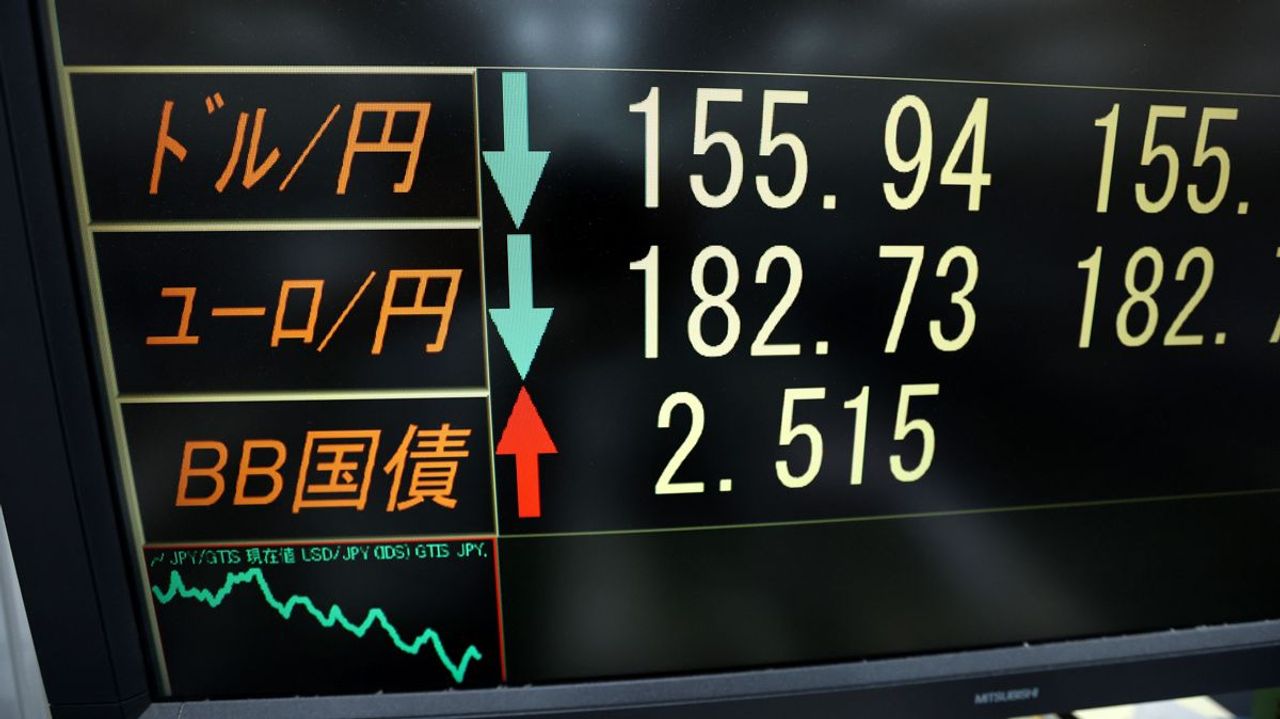
Despite recent interventions by monetary policymakers, the Japanese yen continues to maintain its strength against other global currencies. These interventions, designed to depreciate the yen's value to boost economic growth, appear to have had little influence on the current market dynamics. The strong yen highlights Japan's ongoing economic struggles and the complexities of managing health and economic crises simultaneously.
In Japan, the strength of the yen is a key indicator of economic health; a strong yen can indicate slower economic growth as it potentially hurts exporters by making their goods more expensive on the international market. Therefore, the government often intervenes to adjust the currency's value. This issue is a significant concern for both policymakers and the general public, as the nation's economic vitality plays a big role in citizens' welfare and social stability.
Similarly, in the US and the EU, currency valuations are closely tied to economic policies. However, these regions are less reliant on export economies and therefore do not intervene as often to adjust currency values. In contrast to Japan, a strong currency in the US or EU is typically viewed favorably, as it increases purchasing power abroad and can combat inflation.