
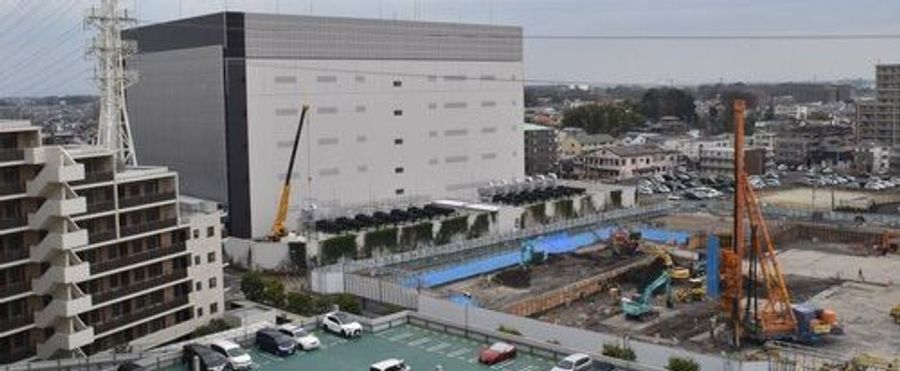
Residents in a Japanese neighborhood are expressing outrage over the installation of a data center in their locality. The controversy centers around concerns of potential health hazards, noise disturbances, and a change in the aesthetic of the community, which amounts to a violation of their residential rights. Advocates of the data station counter this argument by emphasizing the significance of technological advancements in the digital age.
This news is met with raised eyebrows in Japan where respect for community tranquility and harmony is a key cultural value. Many Japanese citizens view their neighborhoods as sanctuaries and the installation of large-scale infrastructures such as data centers presents a striking contrast to a traditional residential setting. However, there's also an understanding of Japan's role as a leader in technology, thus sparking a societal conversation about balancing modernization and preservation.
In the US and EU, similar issues are usually handled with zoning regulations that separate residential and industrial areas. Legal processes that involve public input on changes to urban planning are common. This helps in limiting such conflicts, making this situation rather unique to Japan due to their cultural context and urban density.