
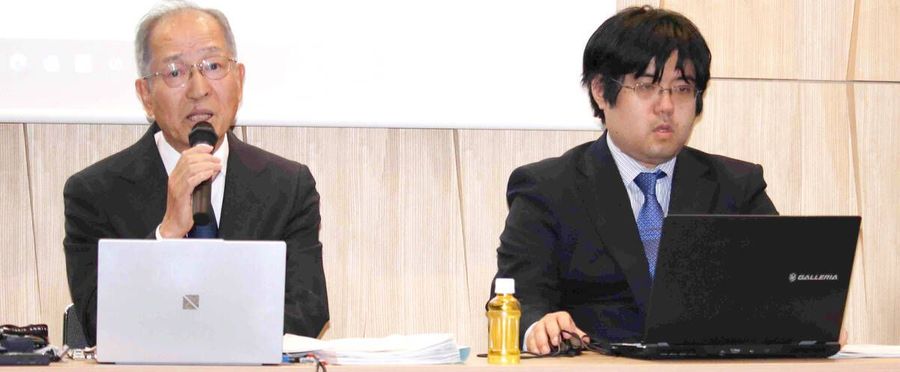
A commission in Japan recently issued a report related to the pregnancy and childbirth of female shogi (Japanese chess) players, taking a progressive step in the field of professional gaming. It heralds a significant shift as these matters are hardly discussed publicly. The concerns include the players' rights, their career sustainability, and potential adjustments to the traditional, predominantly male system. However, the specifics of the report or any determinations made remain undisclosed.
In Japan, where societal pressure often puts work before family, the news of reviewing rights for pregnant professional shogi players is significant. Additionally, shogi is traditionally a male-dominated field; hence, introducing such considerations reflects shifting gender dynamics and increasing equality. The stakeholders and general public watch eagerly for precedents this report might set.
In countries like the US or the EU, there's more emphasis and legislative backing to balance work commitments with family life. Sports and professional gaming organizations usually have policies in place to support pregnant athletes and mothers' return to their careers. Japan's potential move in this direction is a promising development.