
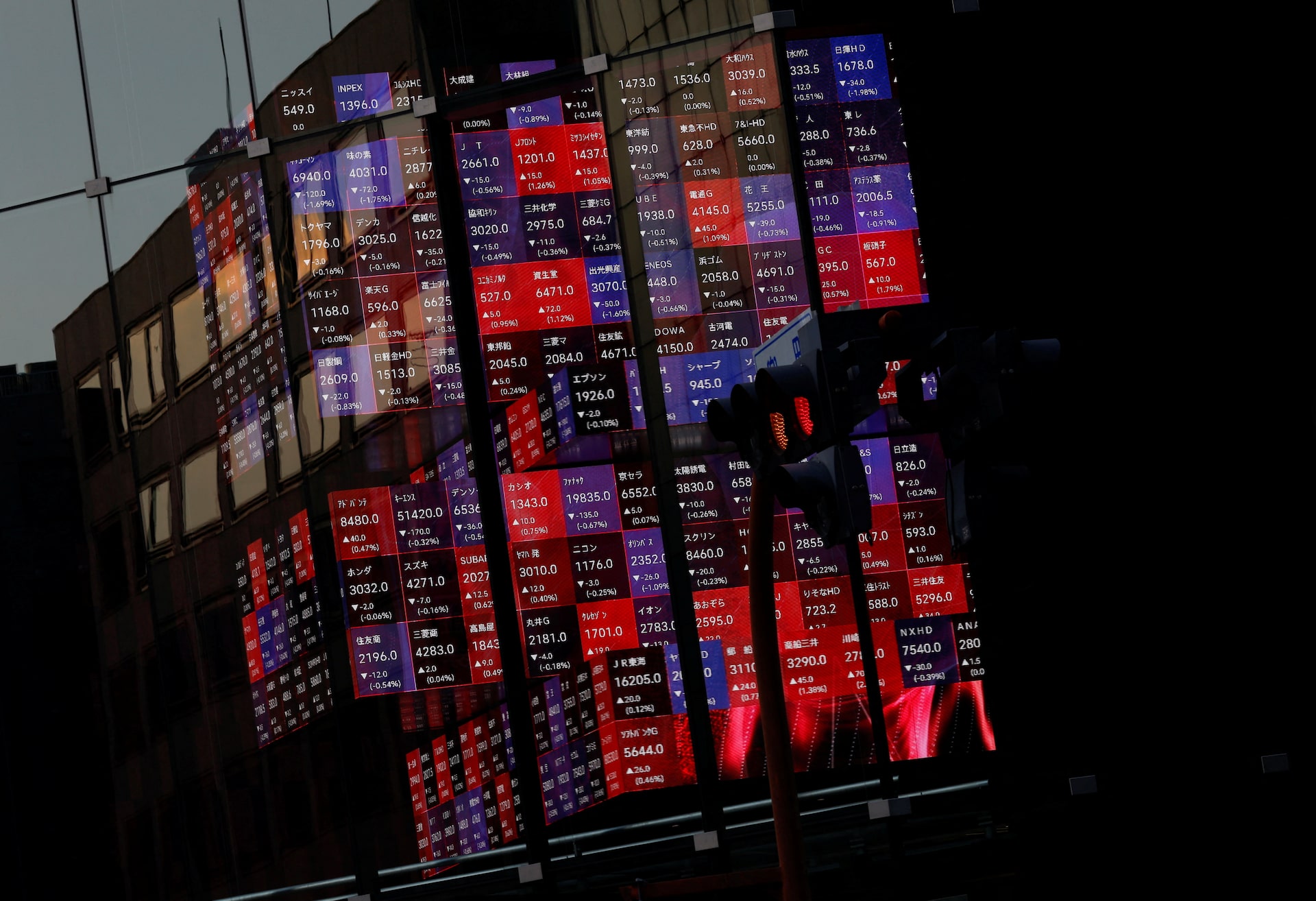
Growing tensions in the Middle East have created a wave of uncertainty that is rippling through global markets. Tokyo's finance sector has been particularly affected with a notable drop, dubbed as "triple decline" in local markets. The impact is being felt across a range of sectors, underlining the global interdependencies that are a key feature of today's economic landscape. The fallout hopes for a steady recovery, yet the path forward remains unclear as global market players await further geopolitical developments.
In Japan, the primary concern regarding this news is the possible effect on the economy. The country relies heavily on Middle Eastern oil, making any instability in that region a potential threat to Japan's energy security and overall economic stability. The issue is also likely to raise discussions about Japan's need to diversify its energy sources and possibly strengthen its domestic production capabilities.
Just like in Japan, Middle East instability can cause significant market fluctuations in the US or EU. The key difference lies in the response - while Japan's economy is more reactive due to heavy reliance on imported energy, the US and EU have more diversified energy sources and hence have a slightly more stable economic response to such situations.