
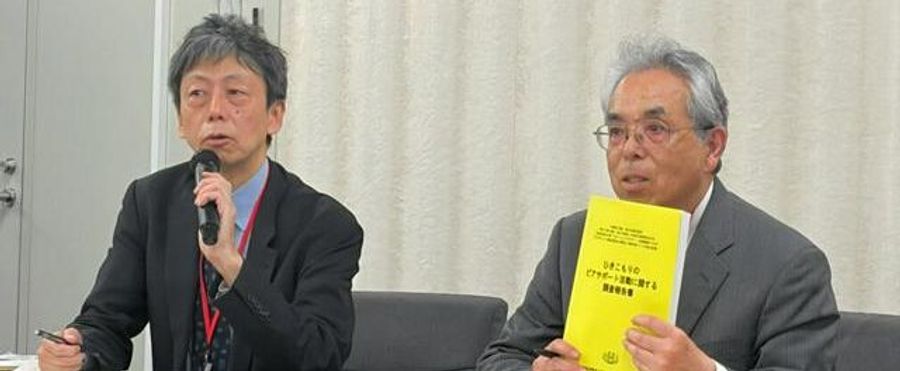
Recent investigations reveal that over 40% of Japan's hikikomori (individuals social withdrawn) are aged 40 years and above. The data elucidates the increasing concern of Japan's aging population engulfed in extreme social withdrawal, typically in self-isolation. Despite being a prominent social issue in Japan for decades, the rise in age represents a worrying development in the country famed for its longevity.
This issue plays a significant role in Japan's sociocultural landscape. In Japanese society, the phenomenon of hikikomori has long been acknowledged as a severe social issue, carrying a strong stigma. Unfortunately, it is not considered a mental illness under Japanese medical laws, reducing accessibility to treatment. Japan's government introduced support measures, including counseling services, to combat the problem. However, the rise of an older demographic within the hikikomori has raised additional concerns about long-term care and aging.
Unlike in Japan, social isolation among adults in the US and EU is not recognized as a distinct phenomenon but instead as a symptom of various mental health conditions like depression or anxiety. In these countries, ample medical and psychological assistance is available for such condition. Furthermore, social policies in these countries provide several supports and integration programs for older adults to address isolation.