
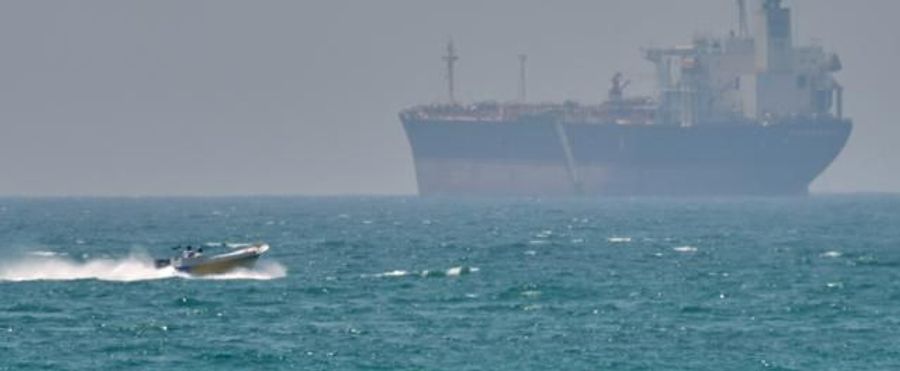
Following the successful negotiations by the Japanese Government, Idemitsu (a major Japanese petroleum company) was able to secure a problem-free journey through the Hormuz Strait. This significant achievement prevents future disruption to Japan's oil supply from the Middle East. Details surrounding the negotiations have not been disclosed, keeping the diplomatic tactics employed by the Japanese government under wraps.
Japan, a country heavily reliant on oil imports from the Middle East, has a vested interest in maintaining the free passage of its ships through the strategic Hormuz Strait. Any hindrances to this flow can lead to significant economic impacts. Hence, the successful negotiations by the government gain due attention from the citizens, affirming the importance of diplomatic strategies in preserving national interest and energy security.
Similar issues in regions such as the US and EU take on an equally strategic approach. However, they differ in that they rely on a more diverse supply of energy sources and have greater military capacities to ensure the security of such strategic sea routes. The difference in approach highlights Japan's reliance on effective diplomacy due to its constitutional constraints on military deployment.