
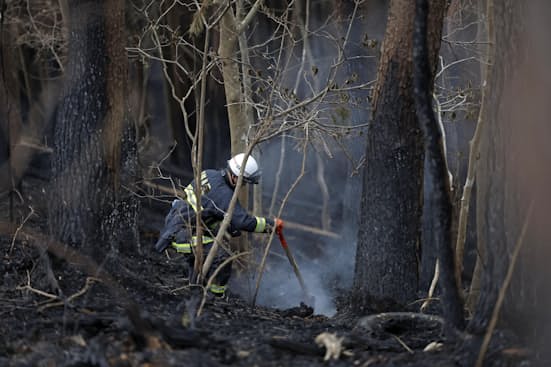
Ōtsuchi, a coastal town in Iwate Prefecture, Japan, successfully handled a grave fire incident, settling back into normalcy. Leveraging the town's swift emergency response system and robust community solidarity, the local authorities managed to execute their disaster recovery plan effectively. The incident has underscored the impact of Japan's disaster preparedness measures, further highlighting the importance of community resilience.
Fire incidents are taken very seriously in Japan due to the density of wooden structures, especially in rural and suburban areas. Many towns have strong community ties and emergency response systems, which can expedite disaster recovery. Given Japan's susceptibility to natural disasters, the emphasis on quick and efficient action holds a significant societal value, closely tied to their culture of resilience and harmony.
In the US or EU, fire response can vary drastically, depending on the region's characteristics, infrastructure, and community cohesion. However, a common thread is the importance of well-equipped and well-funded fire services. Fire safety is a critical aspect of urban development, although the level of community involvement may not be as pronounced as in Japan.