
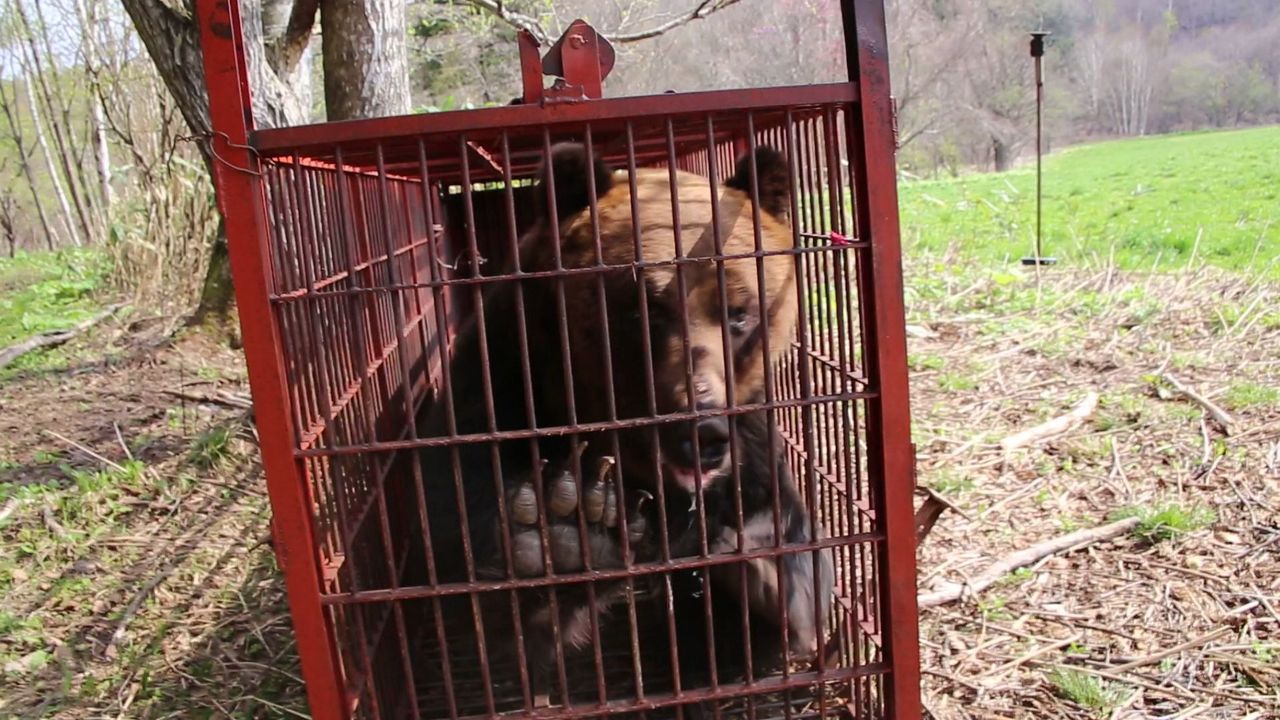
A record-breaking 330-kilogram bear was captured in Japan, raising eyebrows due to it emerging from hibernation unusually early in spring. The behemoth was safely secured without any reported harm to humans or the bear itself. The early appearance is puzzling wildlife experts, triggering discussions on climate change and its potential impact on wildlife behaviors.
In Japan, coexistence with nature, including wildlife like bears, is socially and culturally important. Incidents of bear sightings, especially unusually large ones or those straying into human habitat, make people concerned about the safety of both humans and animals. The cultural belief in animal spirits or "kami" in Shinto religion further emphasizes the respect towards wildlife. Any changes in animal behavior linked to climate change can cause considerable societal concern and discussion.
In the US and EU, conflicts between humans and wildlife are also observed. However, the approach to such issues varies, largely due to a different cultural context and varying wildlife species. Climate change discussions in these regions often focus more on larger scale trends - like the melting polar ice caps - rather than localized wildlife activity.