
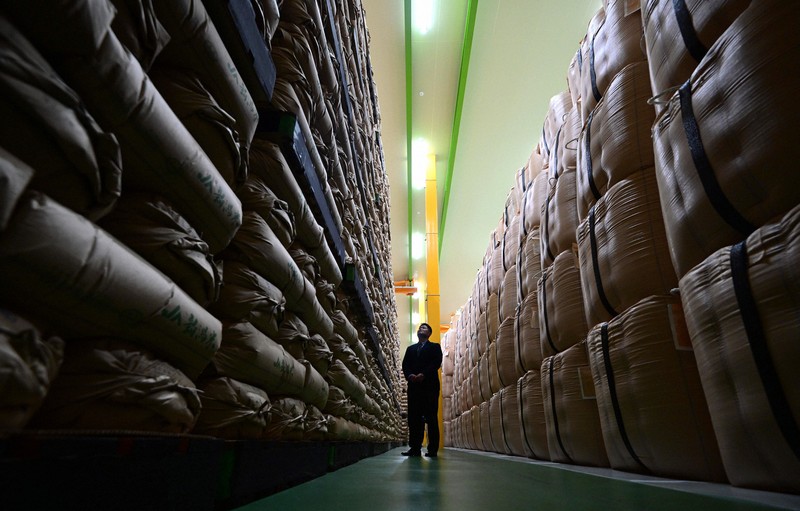
In an unexpected economic move, Japan is planning on buying back approximately 150,000 tons from its previously released rice reserves. This decision arises as a measure to balance the local market affected by the recent fluctuations in global food pricing. The exact timing and sourcing details associated with this move are yet to be disclosed by the authorities.
Rice serves a pivotal role in Japanese culture, society, and economy. It is not merely a staple food, but also a symbol of wealth and prosperity. Thus, the maintenance of rice reserves is a sign of economic strength and food security. A rebuying initiative like this one raises many discussions about market stability, domestic farmers' welfare, and the larger global economc climate.
Unlike Japan, the US and the EU typically do not maintain large rice reserves due to their less rice-dependent diets. Economic mechanisms like government buybacks to maintain market stability are more common in commodity markets such as oil or precious metals. This news reflects Japan's unique intersection of tradition, economic policy, and agriculture.