
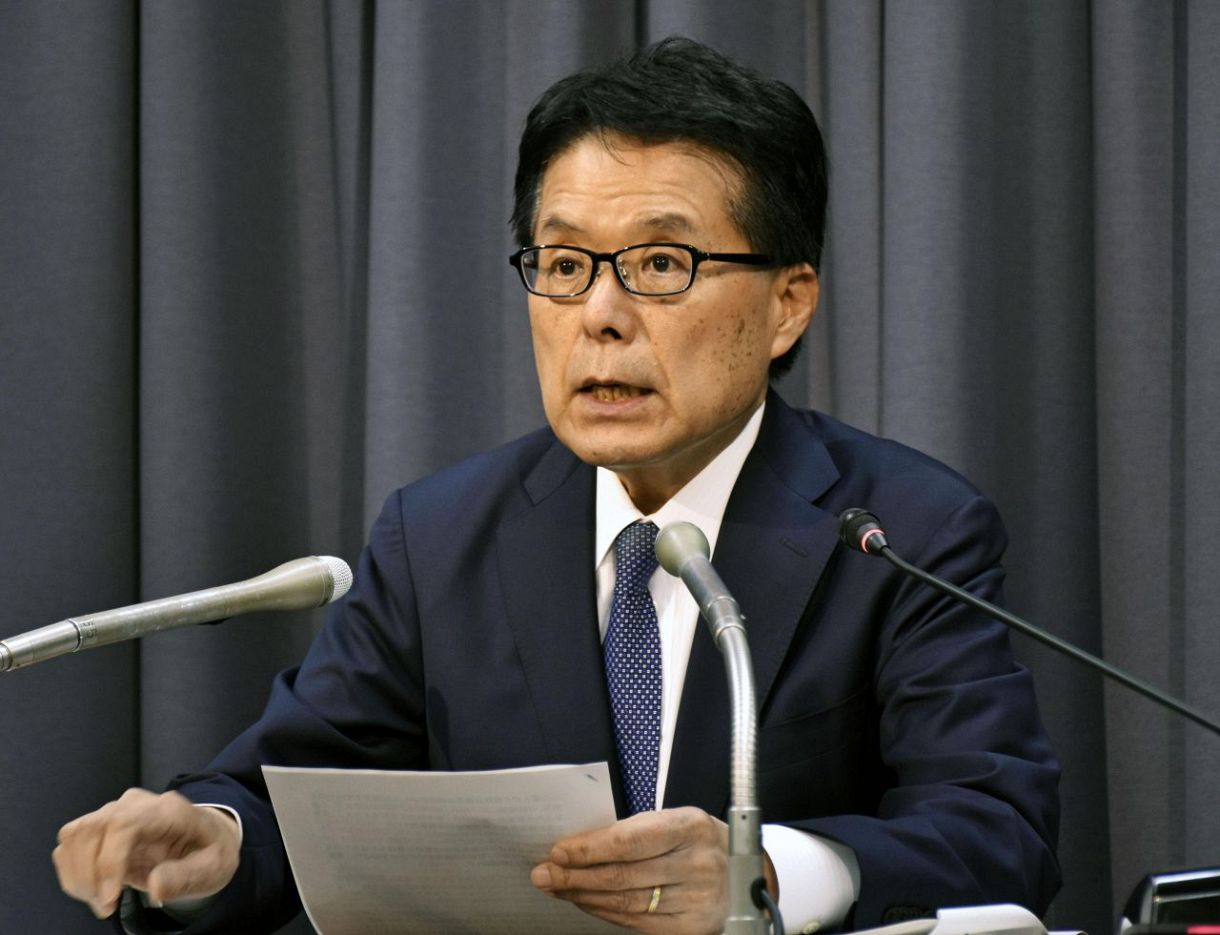
The Japanese Finance Ministry is proposing that elderly citizens shoulder 30% of their healthcare costs. This suggestion comes amid increasing economic strain on the nation's healthcare system due to Japan's rapidly aging population. The proposal, sure to spark contentious debate, reflects the government's efforts to manage healthcare sustainability whilst ensuring prolonged quality of life for its citizens.
In Japan's socialized healthcare system, everyone, including the elderly, currently pays a 10% out-of-pocket rate. However, with the world's most aged population, the government faces significant financial pressure in maintaining quality and accessible healthcare. As such, the suggestion of this increased cost on the elderly is seen as both a pragmatic and controversial approach to mitigate the strain on Japan's healthcare budget.
In contrast, the United States, a country with a significantly different healthcare system, utilizes Medicare for its elderly citizens, which often includes significant out-of-pocket payments. The European Union varies by country, but most have a socialized healthcare system similar to Japan, with varying levels of support for elderly care costs.