
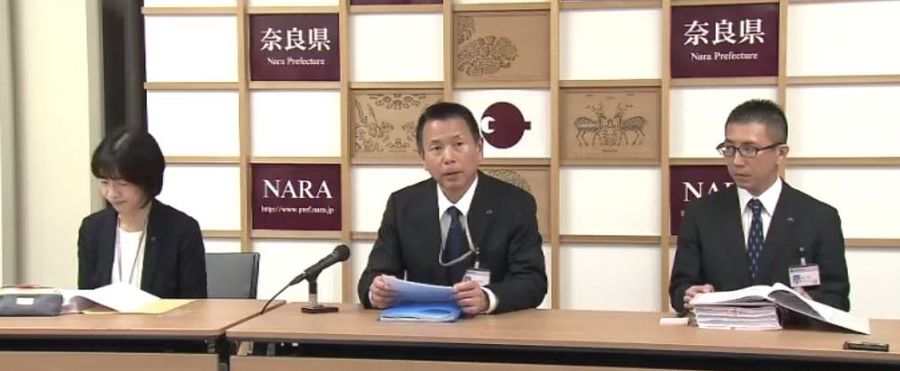
A startling scandal surfaced in Nara Prefecture, Japan, as 384 government employees were implicated in the fraudulent receipt of commuting allowances. Authorities are currently investigating the situation, bringing into focus questions of oversight and ethical conduct. The employees may face administrative penalties upon conclusion of the investigation.
In Japan, commuter allowance fraud is considered a serious offense as it impacts public trust in civil servants and disrupts the balance of public funds. Also, such allowances are part of the benefits package aimed at ensuring social welfare for employees. Their misuse is generally met with public outrage and calls for transparency and accountability.
In the US or EU, efficient accountability mechanisms would typically demand restitution from the involved parties. Similar to Japan, such fraudulent acts would prompt serious public backlash and calls for greater transparency and oversight. Legal measures would also be taken to ensure offenders face appropriate consequences.