
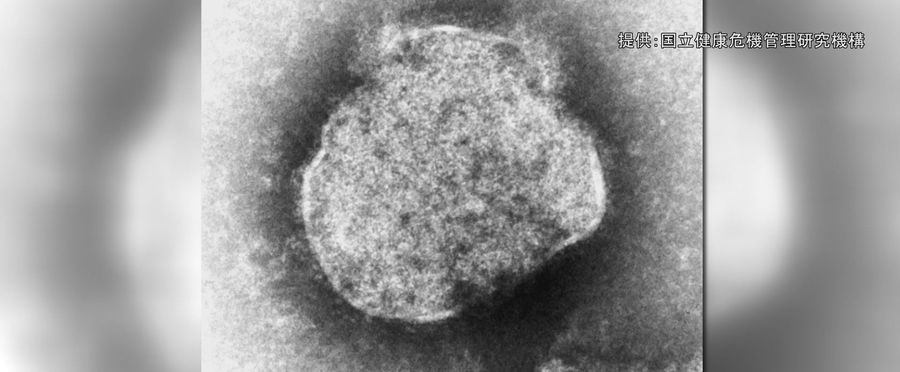
Reports in Japan have indicated a significant surge in measles infections, with cases accounting for nearly 4.4 times the number recorded during the same period last year. A failure to vaccinate adequately appears to be the primary factor behind this increase. Health agencies across the country are now making concerted efforts to encourage measles vaccinations among the populace.
Public health is a high-priority topic in Japan due to the nation's dense population and efficient public transport network that can facilitate the rapid spread of communicable diseases. While vaccination rates in Japan are generally high, occasional spikes in particular diseases, such as measles, can cause significant concern. Such events usually prompt dialogues about vaccination coverage, health care policy, and the distribution of health information.
In comparison to the US or EU, where vaccination is strongly encouraged and is often mandatory for school enrolment, Japan has seen some resistance to vaccination programs. Reasons for these are multifaceted including cultural beliefs, health misinformation, or parental rights debates. Nevertheless, in light of rising case numbers, efforts are being made to firmly establish vaccinations as a public health norm.