
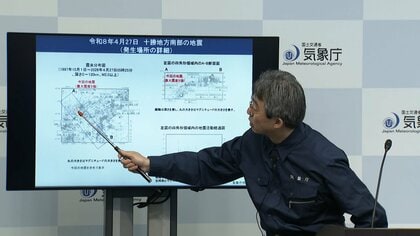
An earthquake of magnitude 5 was reported in Japan, however, it was deemed not to be a worryingly 'late-shock.' Typically, late-shocks occur after the major quake and can sometimes be as strong as the initial one, creating a dangerous situation. This conclusion was reached after comprehensive analysis and monitoring by Japan's Meteorological Agency. The public remains vigilant, continuing the practice of earthquake preparedness and safety measures.
In Japan, earthquake awareness and preparedness are ingrained in society, and people routinely follow drills and reinforcing precautions due to much seismic activity in the region. The safety of the public is of utmost importance and is protected by strict building codes and public safety measures. News like this draws national attention and sparks discussions around safety protocols and disaster management.
In the US or the EU, earthquake news is primarily of concern in seismically active regions, like certain states in the US or the Mediterranean region in the EU. The US has several disaster preparedness measures in place, like Japan, although the strength of precautions can vary by state. The EU primarily focuses on cross-country collaborations for dealing with potential disasters.