
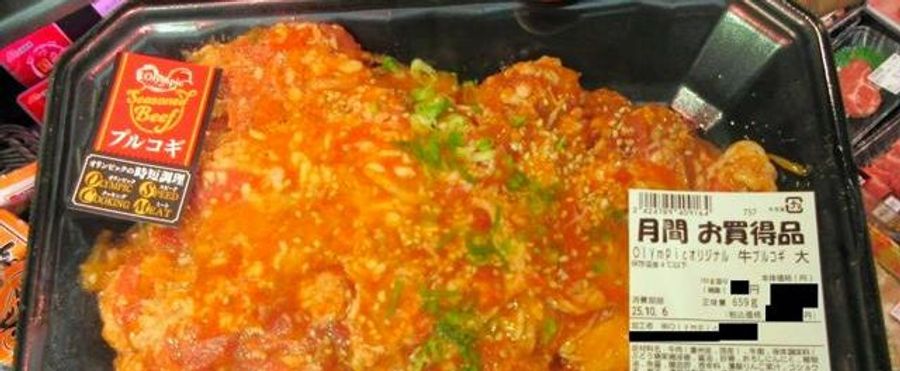
Japan's recent Olympic event was not just sport-related; a case of food labeling was put in the limelight. Australian beef was labeled as 'domestic product', stirring a debate on the country's import practices and food labeling standards. Authorities are investigating where the mislabeling has occurred and who is responsible. The time frame of the imported beef is still under investigation. This incident has sparked discussions on the authenticity and transparency of food origin declarations in the country.
Food labeling scandals have a significant effect in Japan due to the country's high standards for food safety and trust in domestic products. Japanese consumers highly trust local products and usually expect imported food to be clearly labeled. As such, this issue has raised public concerns over fraudulent labeling practices and may potentially impact consumer trust in imported products.
The US and EU also take food labeling very seriously, with strict regulations and penalties in place to prevent misleading or fraudulent labeling. Legal cases over mislabeling often result in significant fines and reputational damage for companies involved. Consumers in these regions, like in Japan, also value honest and transparent information about the origin of their food.