
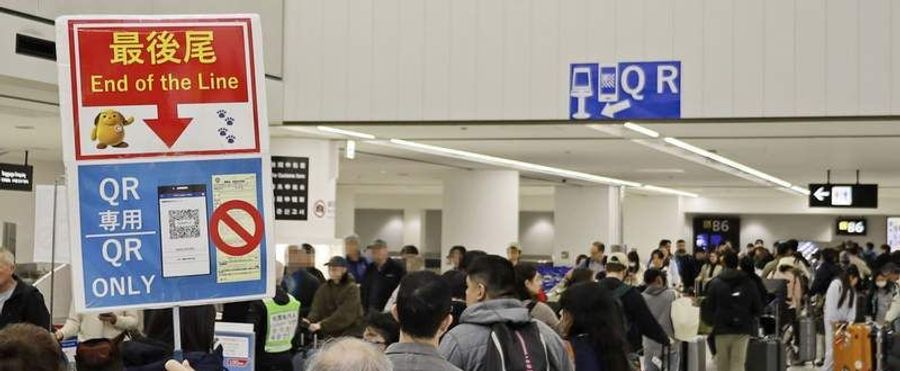
Air travelers at Narita Airport exhibit widespread dissatisfaction over the new electronic procedures recently implemented. While the system was designed to improve efficiency, passengers complain of complexities and inconvenience. Travelers, both domestic and international, have raised concerns about the user-friendliness of the system. These complaints highlight the urgent need for simplification and better design of digital procedures to ensure a smooth traveling experience for all users.
In Japan, technology is appreciated for its ability to enhance convenience and efficiency, but the introduction of new systems often requires a learning curve. The resistance presented by passengers at Narita Airport demonstrates that user-friendliness and a simple interface are crucial in Japan where the technology should serve the people and not vice versa. The balance between technological advancement and user comfort is highly valued.
In the US or EU, major airports have also been introducing digital procedures. However, there is always a transition period accompanied with training staff to help and guide passengers smoothly through the new process. Usually, digital solutions are designed after extensive feedback and theoretical user experience design, but practical application may still result in issues.