
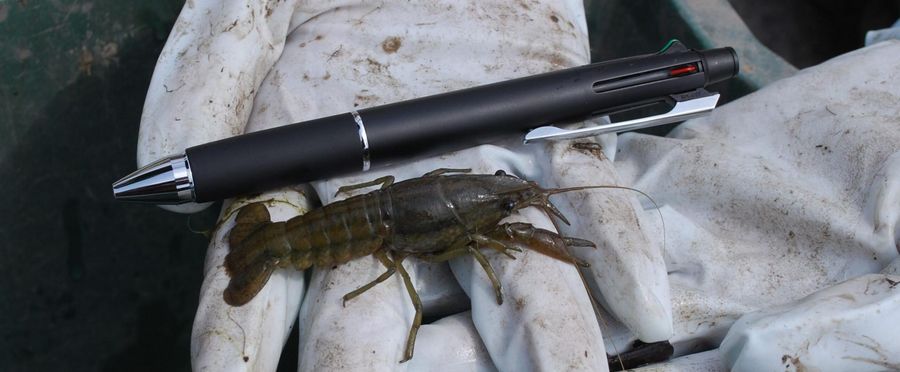
In Japan, innovative measures are being taken to control the population of invasive crayfish. These crustaceans disrupt the local ecosystem and negatively affect biodiversity. Authorities plan to fill local ponds with concrete to deter their spread. The action, which might seem radical to some, represents a practical and immediate solution to the ongoing environmental issue.
In Japan, invasive crayfish are recognized as a serious threat to the local ecosystem. Brought as pets in the 1920s, they now proliferate in various bodies of water, often driving out essential, native species. These actions to combat the crayfish problem uphold Japan’s commitment to preserving its unique flora and fauna.
Like Japan, both the US and EU also deal with invasive species, but their methods of dealing with them may vary based on local laws, environmental policies and the seriousness of the problem. In the US, there are a variety of classic biological, chemical, and physical control responses, sometimes even involving local communities in "catch and dispose" efforts. In the EU, efforts are made through policy frameworks, regulation, and various eradication projects.