
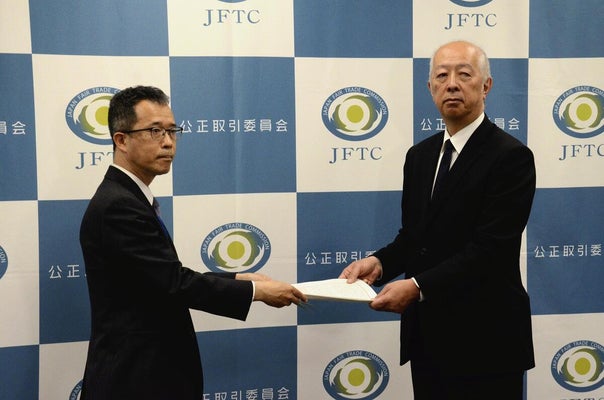
Four firms have been slapped with exclusion orders due to their alleged involvement in a bid-rigging scandal related to the Capital Highway Project. The collusion, aimed at controlling prices and distorting competition, violated Japan's strict market fairness and transparency laws. The specifics of the exclusion order are yet to be disclosed, but the accused firms are expected to face serious implications, from being barred from future public projects to heavy fines.
In Japan, people place a high value on transparency and fairness in business practices. Due to numerous past high-profile cases of bid-rigging, Japanese authorities have been cracking down on violations with an aim to promote a fair and competitive business environment. Therefore, news of firms receiving exclusion orders due to such practices usually attracts significant public attention and debate.
In the US or EU, similar incidents would be handled by the respective antitrust authorities. Like in Japan, such bid-rigging cases would also be treated very seriously, with heavy penalties to discourage such behaviors. While exclusion orders are not uncommon, punishments can also include heavy fines and even jail time for executives involved.