
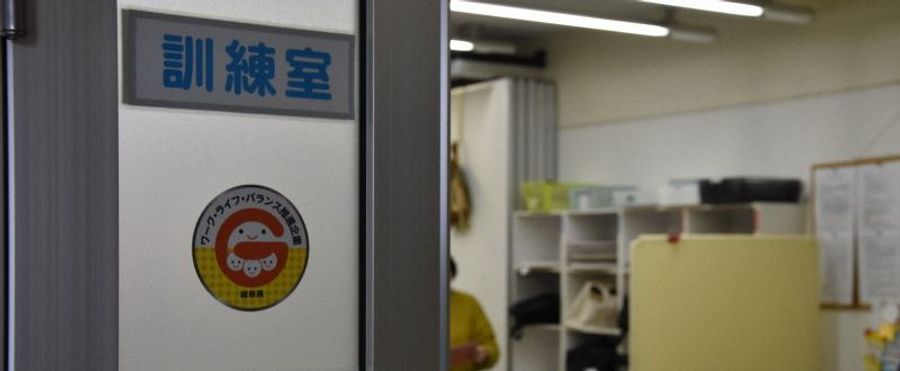
The Japanese government has implemented support measures aimed to combat workplace discomfort, which are expected to generate an economic impact of 46 billion yen. This policy, enacted recently, seeks to improve the working environment and productivity levels across all sectors within Japan. The initiative hopes to enhance workers’ experiences, potentially altering Japan's traditional work ethics of long hours and minimal breaks, and it aims to impact the gross domestic product positively.
Given Japan's history of a rigorous work culture often leading to "karoshi" or death by overwork, this plan is a significant step toward working condition reforms. While economic productivity is upheld, societal discussion on work-life balance, employee wellness, and labor laws are swelling. This policy is the government's response to such conversations, confirming its commitment to bring changes in the Japanese work environment.
In comparison to the US or EU, where work-life balance and employee satisfaction are often prioritized, Japan has traditionally emphasized diligence and hard work. With this policy, Japan appears to be moving towards a more Westernized approach to work culture, presenting a shift from their traditional work ethics.