
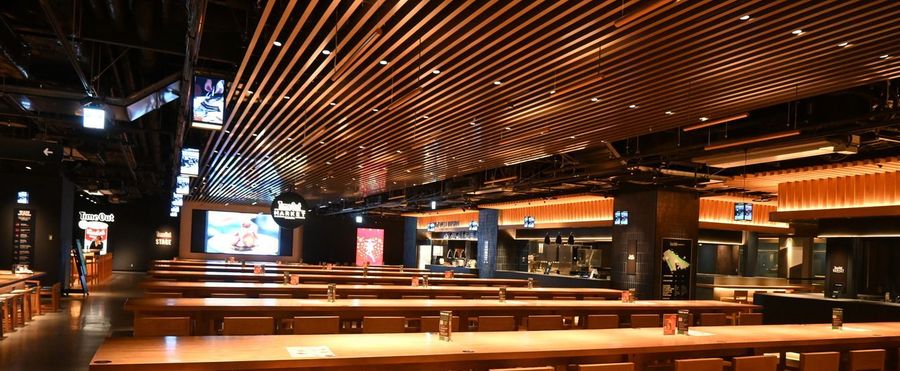
There has been a noticeable decline in foot traffic at the food court in front of Osaka Station recently, causing both concern and speculation among local trade groups and residents. Known for its bustling crowd, the food court's sudden tranquility remains unexplained. This issue rings alarm bells for the local economy and livelihood of those working at this previously vibrant location.
In Japan, food courts are more than places to eat—they serve as social hubs where people gather, eat, work, and socialize. This decline is surprising given the traditional popularity of such spaces, and prompts discussions concerning demographic shifts, societal trends, and local economic conditions. The quietness of a normally bustling spot could indicate a bigger issue pertaining to Japan's stagnating economy, or changing social habits.
In the US or EU, fluctuations in patronage of community gathering spots like food courts often reflect various factors, such as shifts in consumer behavior, the economic health of the area, or changes in urban planning. While Japan's situation may involve unique cultural factors, the underlying themes of local economy and changing societal trends are universal.