
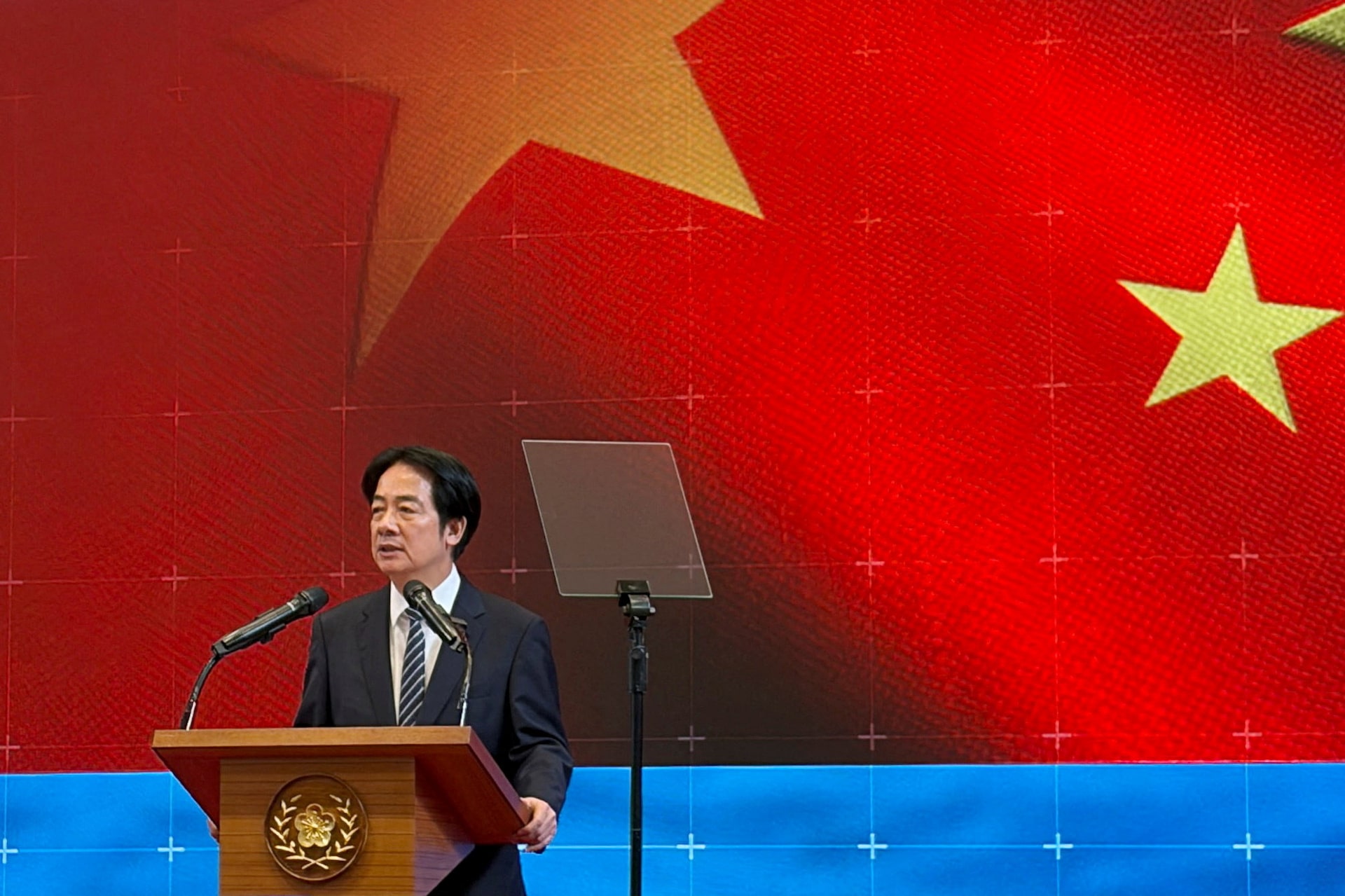
Taiwan's president has put a halt to international travel under increasing pressure from mainland China. In a historical move, the East Asian leader decided to curtail international diplomatic ventures, seemingly in response to the escalating geopolitical opposition from its neighboring behemoth. Details on the duration and extent of this travel standstill remain undisclosed.
The issue holds significant relevance in Japan, due to its geographic proximity and political relations with both China and Taiwan. The public and policymakers alike keep a close eye on the developments in these relations, given historical disputes as well as current economic and strategic alliances in the region. This move by Taiwan can potentially alter Japan's strategies, as solidarity with Taiwan might strain their diplomatic relationship with China.
Much like in the US or EU, geopolitical tensions of this nature are closely watched and analyzed. Responses often vary, with countries either taking a stance in support of their ally or adopting a neutral position in the interest of diplomatic relations. However, the gravity of such occurrences might be felt more intensely in Japan due to its immediate proximity to the conflict.