
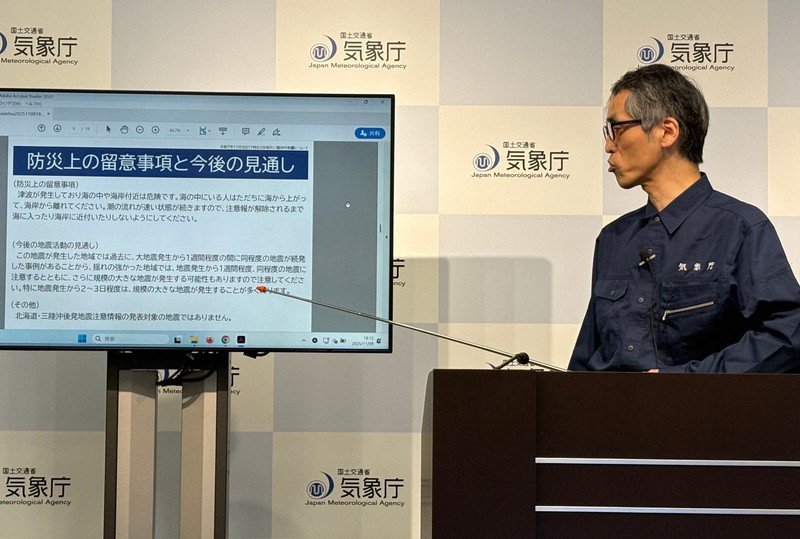
A slow-slip seismic event, less destructive but notoriously challenging to predict, has recently occurred off the coast of Sanriku in Japan. These slow earthquakes, although not causing severe shaking, can induce a significant strain on nearby tectonic plates, potentially prompting larger, damaging earthquakes in the future. The event's time, scale, and subsequent impact are under close monitoring by Japan's meteorological agencies and research institutions.
Japan, situated in a seismic hot spot known as the ring of fire, frequently experiences earthquakes. Slow slip events, though not as destructive, raise concerns about a potential larger quake. As a country with a long history of seismic activity, any earthquakes, slow slip or otherwise, are taken very seriously by citizens, government, and scientists alike. Public safety is paramount, and regular drills and stringent building codes reflect this.
Similar to Japan, countries like the U.S and those in the European Union also monitor seismic activities closely, especially in seismically active regions like the US's west coast or the Mediterranean in Europe. However, due to the frequency and historical magnitude of earthquakes in Japan, the level of preparedness and earthquake-resistant infrastructure in Japan is considered world-leading.