
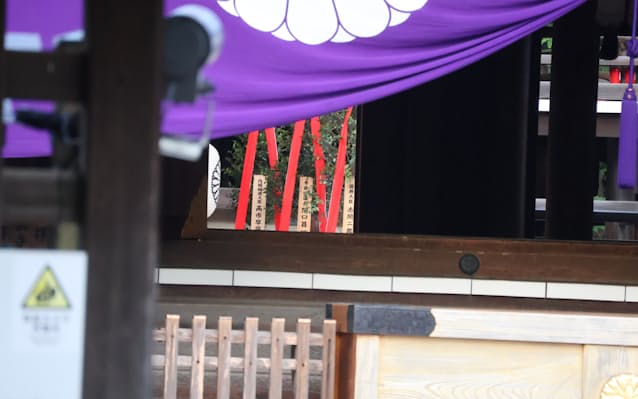
Japanese Prime Minister Kōichi Takaichi has paid an offering, a 'masakaki' tree branch, at the Yasukuni Shrine - a traditional Shinto shrine that commemorates Japan's war dead, including war criminals from World War II. The details of the timing or particular reasons for this visit are yet to be unveiled. Such visits by high-ranking officials often stir controversy both in Japan and internationally, as images related to Japan's wartime past are revived.
Within Japanese society, the Yasukuni Shrine is seen as both a memorial to the country's war dead and a symbol of its militaristic past. Many citizens support these visits in the spirit of remembrance. However, others believe that they glorify Japan's wartime atrocities. This is particularly sensitive because the shrine includes convicted Class-A war criminals among the honored.
In the US or EU, this would potentially equate to a senior political figure visiting a controversial war monument. While it's not an exact parallel, it's similar to the complicated discourse around Confederate monuments in the US. Both issues spark debate about how societies should remember their history and to what extent political figures should engage in these commemorations.