
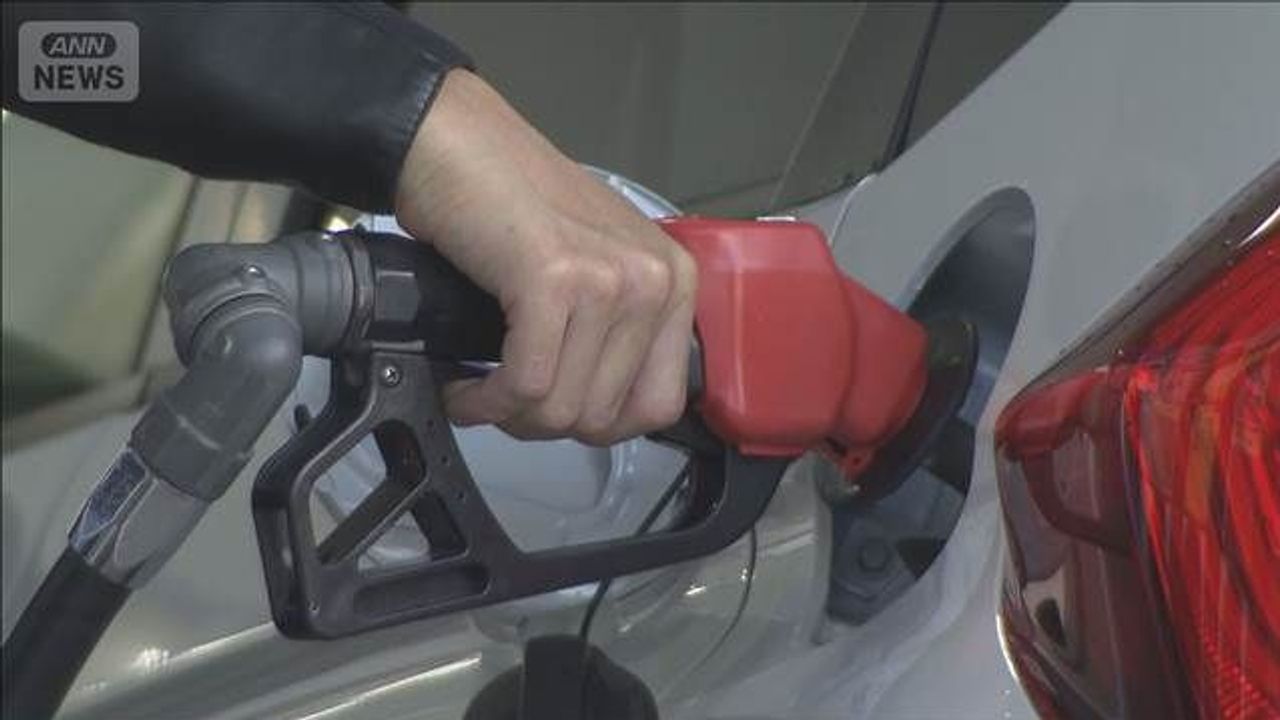
A recent poll conducted in Japan indicates that a significant 64% majority believe there is a need to encourage oil conservation. This comes amidst growing global concerns around climate change and the harmful impacts of non-renewable energy sources. The survey findings underscore the Japanese public's strong sense of environmental responsibility and openness to sustainable energy habits.
Environmental consciousness is deeply ingrained in Japanese society. The country's strict waste sorting rules, public recycling practices, and green building norms testify to this. Furthermore, Japan's global commitment as a signatory of the Paris Agreement further propels its push towards renewable energy. Concerns around nuclear power post-Fukushima disaster have also triggered a surge in the nation's demand for greener, safer energy sources, leading to amplified calls for oil conservation.
While Japan's environmental consciousness is much rooted in its society, similar movements in the US and EU are more often propelled by political party lines. However, renewable energy initiatives are gaining ground globally and widespread acceptance. Interestingly, unlike Japan, the US departed from the Paris Agreement under the Trump administration, a move later reversed by the Biden administration.