
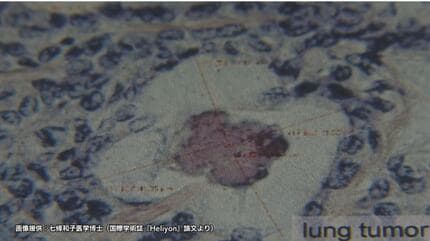
In an astounding revelation, scientists have found traces of uranium in the body of an individual who survived the Hiroshima nuclear attack, 70 years after Japan's entry into the World War II. The discovery, shedding new light on the long-lasting effects of nuclear radiation, could potentially transform our understanding of radioactive exposure and its health implications. Further details and the implications of these findings have yet to be disclosed.
In Japan, this news has provoked intense interest and concern. The legacy of the nuclear bombings of Hiroshima and Nagasaki is a profound part of the nation's collective memory, their stories passed down through generations. This new discovery raises serious concerns about the long-term health effects of radiation exposure, reinforcing Japan's stance against nuclear warfare and nuclear energy.
The United States and the European Union maintain rigorous screening and monitoring of environments and survivors linked to nuclear incidences. US takes lead in large-scale medical studies and research into the effects of radiation by conducting regular checks of atomic veterans. EU also have adopted similar protocols. Although this news could trigger a fresh conversation on nuclear-related health impacts, it's likely to be investigated from scientific perspective, without sparking the same level of national sentiment as in Japan.