
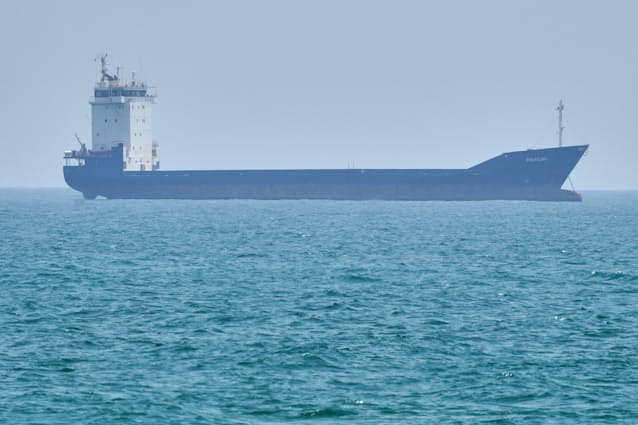
The Japanese news headlines today are dominated by Iran's latest threat to seal off the crucial Strait of Hormuz once again. This strategic waterway, known as the world's 'oil chokepoint', was recently mentioned by Iran's foreign minister as a potential retaliation measure amidst ongoing political disputes with Western powers. The result could destabilize global oil trade, and consequently impact countries heavily reliant on the oil supply from the Middle East, such as Japan.
Any disruption to the oil supply line through the Strait of Hormuz would significantly impact Japan, as it imports a substantial portion of its oil from the Middle East. Consequently, the Japanese people and media pay close attention to any developments in this region. Japan’s diplomatic stance encourages peaceful resolutions to any geopolitical tensions that could threaten its energy security.
Similar to Japan, both the US and the EU largely depend on the oil that comes through the Strait of Hormuz. These regions often respond with diplomacy or through international alliances like the UN, aiming to keep the waterway open. However, the United States has a stronger military presence in the region thus tends to respond with more assertive measures, while the European Union leans towards diplomatic resolutions.