
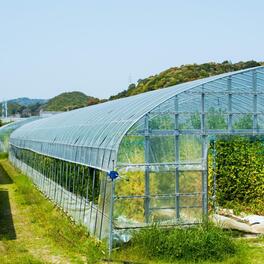
Japan is experiencing an unexpected consequence of the naphtha shortage, as the price of fruits, particularly bananas, has surged significantly. The shortage of naphtha, a key component in many industrial processes, has disrupted a wide range of sectors including the agricultural supply chain. While naphtha normally plays an indirect role in the farming industry, the shortage has caused an increase in fruit prices, most noticeably bananas. The government is currently devising measures to handle the situation and mitigate its impact on consumers.
In Japan, there is a high demand for imported fruits like bananas, making them a staple in most households. Any fluctuation in their prices can greatly impact household budgets. Also, Japan being highly dependent on imports for raw materials, including naphtha, such situations trigger concerns over the nation's economic vulnerability and its potential impact on everyday life.
In contrast, in the US or EU, bananas and other fruits are more locally sourced, minimizing the impact of such global supply chain disruptions. However, any large-scale shortage of a raw material like naphtha would likely have wide-ranging impacts across various industries.