
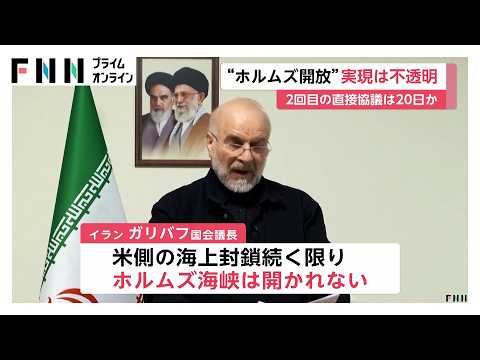
The state of the Strait of Hormuz, a vital passageway for global oil transportation, is predictably unpredictable due to rising tensions in the Middle East. Japan relies heavily on the strait for oil imports, and so is fervently advocating for free navigation rights there. However, the ongoing geopolitical strife presents a serious obstacle to achieving this objective.
In Japan, the news regarding the Strait of Hormuz is of great importance due to the nation's heavy reliance on energy imports, especially oil, that pass through this strait. Oil is crucial for Japan's economy and everyday life, and any disruption in its supply would have significant repercussions. This issue aligns with Japan's pacifist ideology and diplomacy-first approach, as Japan seeks peaceful resolution to maintain access to the strait.
Similar to Japan, the US and EU also prioritize free navigation in key trading routes such as the Strait of Hormuz. However, their approach often involves a greater emphasis on military measures and power projection, reflecting different strategic priorities and capabilities. Disruptions in such important global trade routes can impact oil prices internationally, including in the US and EU.