
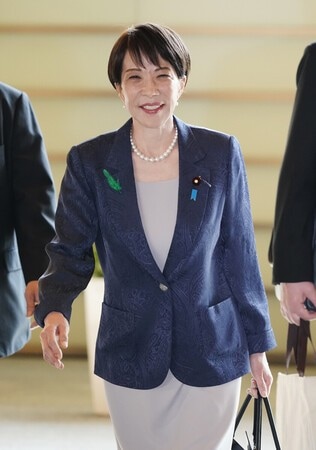
Japan's Prime Minister, Kōichi, has reportedly decided not to visit Yasukuni Shrine, a site often associated with the country's WWII legacy. This development comes amid prevailing mixed public sentiments about the shrine's representation of Japan's military past. The news, while not officially announced, has already sparked debates about the political and social implications.
In Japan, Yasukuni Shrine is a controversial symbolic entity. While it honors the souls of those who died in service of the country, it also includes convicted war criminals among the enshrined. Thus, visits by politicians elicit mixed reactions — perceived as a sign of respect by some but as provocative and representative of Japan's militaristic past by others.
In the US and EU, memorializing war individuals or events can be equally contentious, especially if they're linked to acts of aggression or human rights abuses. The handling varies from case to case and often incites passionate debates about historical remembrance and reconciliation. Just like in Japan, public sentiment plays a considerable role in how these issues are approached.