
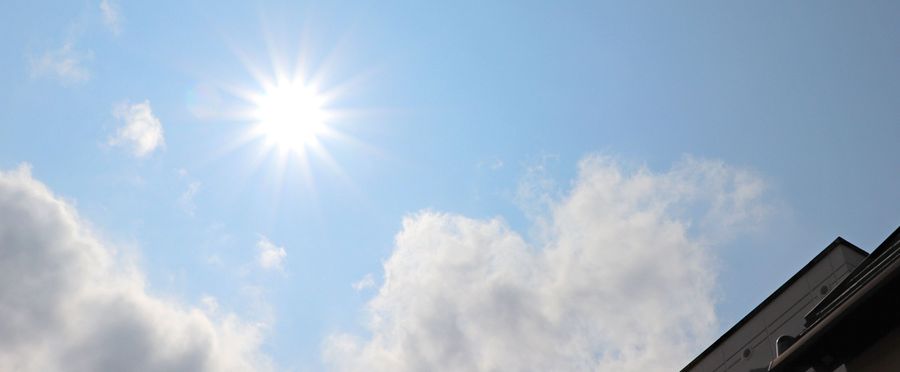
Japan is grappling with rising temperatures, prompting the introduction of a new term "酷暑日" (Ku-sho-bi), defined as days with temperatures exceeding 40 degrees Celsius. The term is a step in acknowledging the country's shifting climate patterns and the potential public health risks associated with it. While high temperatures are not uncommon in Japan, particularly in the summer months, the frequency and intensity of such extreme weather have become a cause for urgent concern.
In Japan, climate and weather conditions have a direct impact on daily life and are carefully monitored. The introduction of the term "酷暑日" signifies the country's proactive awareness and evolving mitigation strategies towards heatwaves. It reflects a shift in the societal mindset and calls for broader public discourse about climate change and its implications on health and lifestyle, as heatwaves can lead to heatstroke and other serious health issues.
In the US or the EU, heatwaves are also tracked and often lead to heat advisories or warnings. However, the terminology and exact procedures can vary. Unlike Japan, these countries do not have a specific term for days exceeding 40 degrees Celsius. Nonetheless, the phenomenon is taken seriously, with efforts made to inform the public about the risk and precautions.