
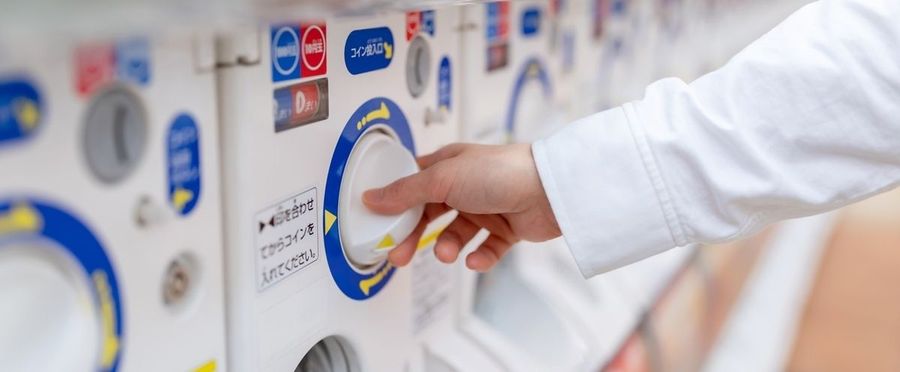
A recent survey conducted in Japan revealed a shocking 90% of respondents are dissatisfied with 'random goods' - pre-packaged items where the exact contents are unknown until purchase. The discontent primarily stems from the lack of value for money, unwanted or duplicate items, and the environmental impact of unnecessary products. This trend has sparked discussions nationwide on consumer protection and sustainable retail practices.
In Japan, "fukubukuro" (lucky bags), gacha-gacha toys, and other unrevealed content merchandise are common and popular among consumers. However, the negative feedback may indicate a shift in consumer behavior, potentially due to an increased awareness of waste, desire for the better value of money, or a simple lack of novelty in these types of purchases.
In the US or EU, blind boxes or "mystery" products are also popular but consumer protections are generally stronger, providing people with more opportunities to return or exchange unwanted products. However, the trend for transparent consumerism, minimizing waste, and value for money are common in these regions too.