
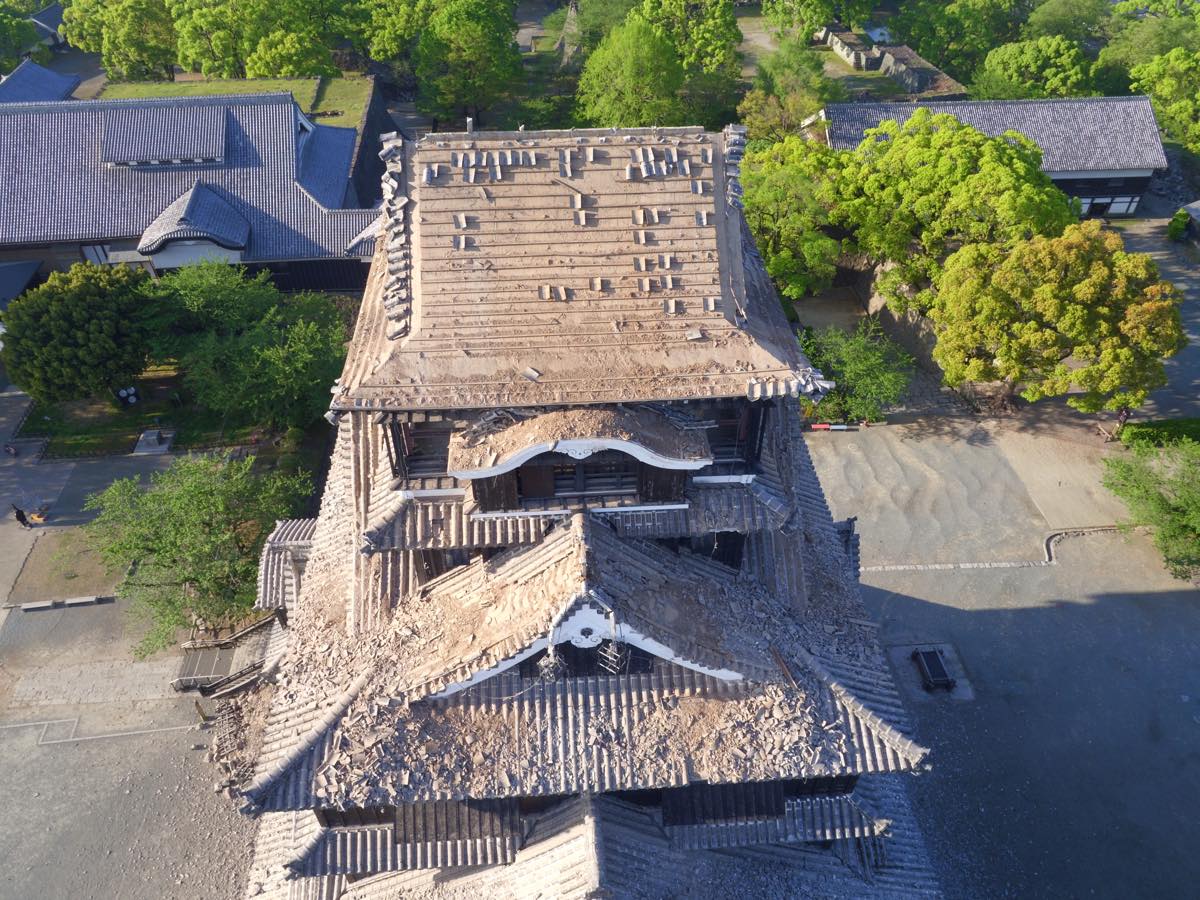
Marking the 10th anniversary of the devastating earthquake, the emblematic Kumamoto Castle, a historic and iconic cultural site, stands tall again, showcasing the resilience of a nation. An extensive and meticulous restoration process has been undertaken by the local government and preservationists who remained committed to its revamp. The renewed structure is now open for visitation, as a testament to Japan's ability to rise from disasters with enhanced vigour and determination.
In Japan, preserving historical and cultural landmarks contributes significantly to their national identity and pride. As they celebrate their history through such landmarks, a considerable value is attached to the restoration and preservation efforts post disasters. Public investment in such restoration work is often considered a symbol of national resilience and a tribute to their honourable past.
In the U.S or EU, restoring historical landmarks following disasters can often become a matter of public discussion and political debate, and the process might take longer due to regulatory constraints and funding issues. A similar form of national pride exists, but the emphasis on quick restoration and the unity in purpose often seen in Japan appears less common.