
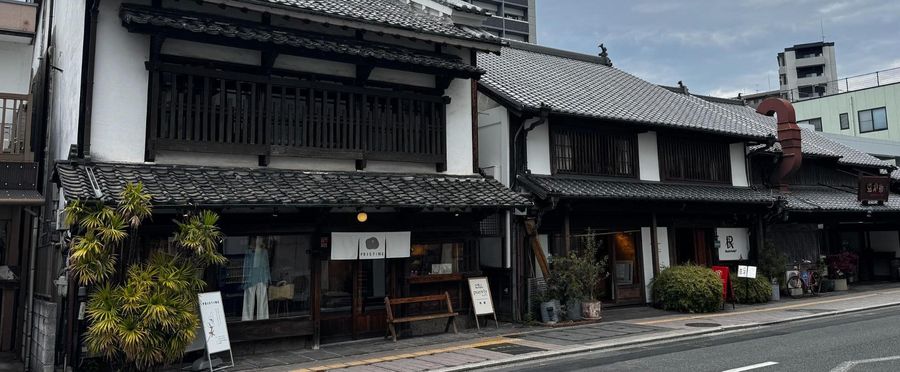
Ten years have passed since the catastrophic Kumamoto earthquake in Japan. As the city continues to rebuild, there has been a notable decrease in the number of traditional townhouses, known as 'machiyas', within the historic castle town, which nearly halved in the aftermath of the disaster. This story focuses on the challenges faced by local communities during the recovery and their efforts towards preserving architectural heritage while making the city more resilient.
In Japan, the preservation of traditional architecture like 'machiyas' holds cultural significance, and such reductions can impact communities at the cultural and societal levels. However, in the face of natural disasters such as earthquakes, prioritizing safety and infrastructural resilience often necessitates such changes, leading to discussions about the balance between preservation and modernization.
Similar issues arise in the U.S. or EU following natural disasters. In the U.S., for example, Hurricane Katrina led to widespread reconstructions and a potential loss of historic architecture in New Orleans. Like Japan, these regions prioritize the safety and resilience of their communities but also make efforts to preserve their architectural heritage.