
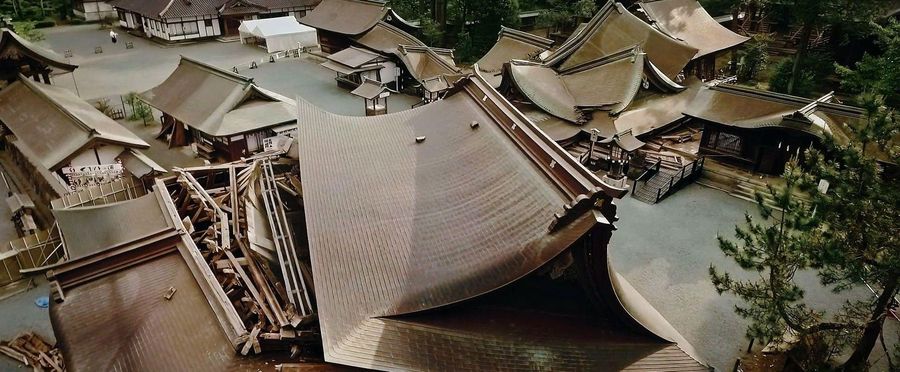
A dedicated individual has invested a staggering 20,000 hours into the restoration of the Aso Shrine, a significant historical and cultural site in Japan. This monumental effort comes following the shrine's destruction in a series of earthquakes. The community surrounding the shrine has been immensely supportive and appreciative of the man's dedication to preserving this symbol of their heritage.
In Japan, such acts of dedication towards restoring cultural heritage resonate deeply within the society. These sites, such as the Aso Shrine, not only contribute to the national identity, but also bolster local pride and community spirit. Therefore, community restoration projects and acts of individual commitment to preservation are received with humility and deep respect.
Similar to the US or EU, preservation acts of cultural heritage are highly valued. For instance, in the US, the preservation of historical landmarks and their restoration is seen as a profound commitment to national history. Similarly, in the EU, restoration of cultural objects and sites often involves community participation, reflecting the cultural significance these sites hold.