
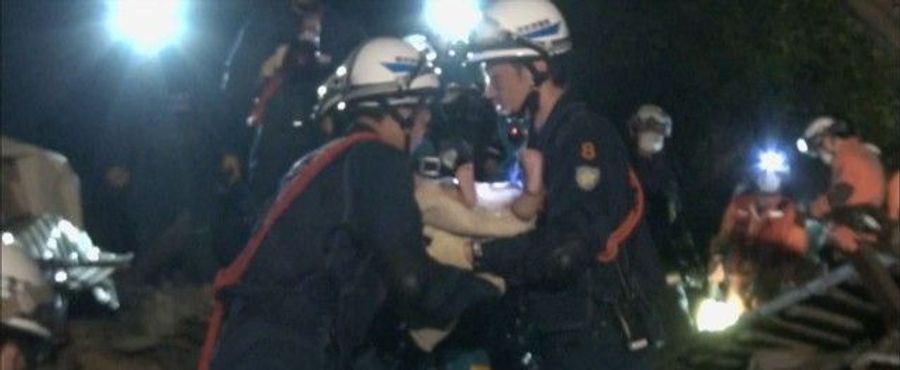
In a testament to Japan's disaster preparedness, an 8-month-old baby girl was successfully rescued following the recent earthquake in Kumamoto. The rescue operation was swiftly executed due to the lessons learned from previous seismic events, demonstrating the nation's commitment to protecting its most vulnerable citizens. Mitigation strategies and response mechanisms have significantly improved, ensuring fewer casualties during natural disasters.
In Japan, aftermaths of natural disasters, specifically earthquakes are often subjects of intense national concern. Given Japan's geographical vulnerability to earthquakes, the country has implemented comprehensive policies and measures to ensure citizen safety and swift response to disaster scenarios. This news reaffirms the effectiveness of such measures and their capacity to safeguard even the most vulnerable.
In contrast to Japan, earthquake-prone countries such as the US and parts of the EU sometimes struggle from a lack of centralized response system and uniform disaster preparedness measures. Japan's prompt organized efforts, stemming from ingrained societal responsibility and legal frameworks, set a global example, especially for nations with similar natural disaster vulnerabilities.