
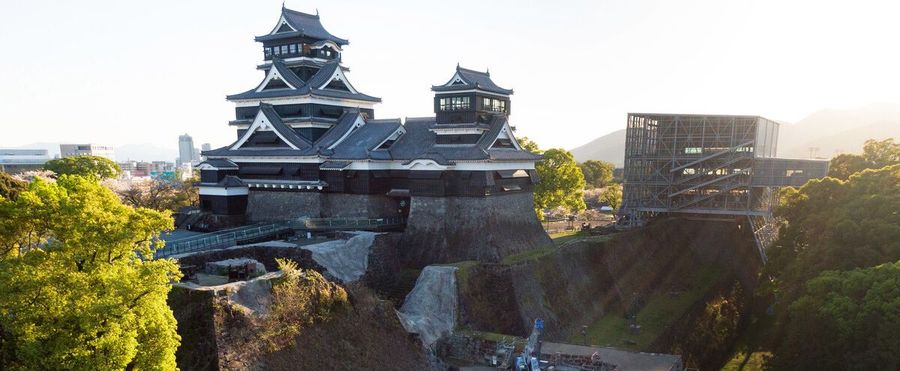
Ten years after the initial foreshocks, restoration efforts continue at Kumamoto Castle, one of Japan's most iconic heritage sites. Restoration plans, initiated to fix significant damage from a devastating earthquake, are ongoing with teams working tirelessly to preserve its historical significance while implementing more resilient structural elements. The journey to complete reinstatement is praised nationwide as a symbol of resilience, cultural preservation, and determination.
Preserving cultural heritage is paramount in Japan, and the efforts surrounding the restore of Kumamoto Castle are widely supported, sending a clear message about the importance of preserving historical monuments. In Japan, restoring such landmarks after natural disasters contributes to communal healing, pride, and reinforcing a shared sense of identity.
In the US or EU, historical preservation also holds immense significance. Restoration of heritage sites often is recognized not only as a way to maintain cultural and historical assets but also to promote tourism and educate future generations. However, earthquake mitigation strategies in heritage preservation may be less common given less seismic activities in these regions.