
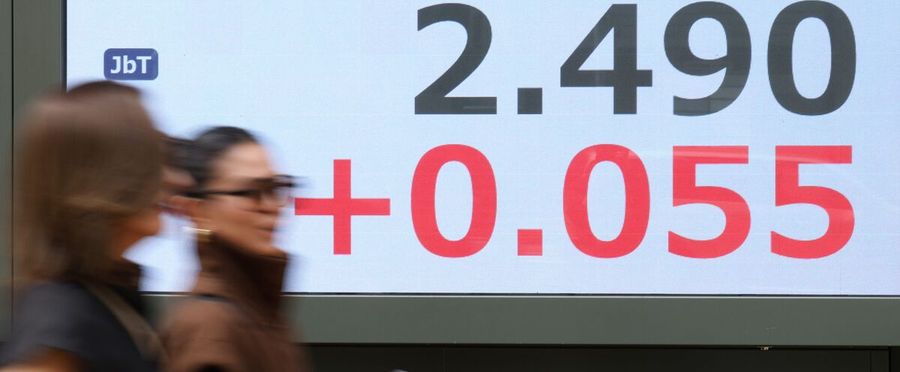
Japan's long-term interest rate momentarily hit 2.49%, amid growing uncertainty around Middle East geopolitics. The rate increase reflects potential unease among investors and the financial market, hinting at possible fallout for Japan's economy. The precise reasons and consequences of the interest rate change, as well as more detailed aspects of Middle East's situation impacting Japan, remain to be seen.
In Japan, long-term interest rates are significant indicators of economic performance and the risk perception among investors. The rate's fluctuation likely has locals concerned about potential financial instability. The Middle East has extensive economic relations with Japan, hence any instability there could impact Japanese economy.
The U.S. and EU also monitor their long-term interest rates as indicators of the market's direction, considering these as factors in their respective financial, investing, and policy-making decisions. Unrest in Middle East generally affects domestic markets due to the region's importance in global energy supplies.