
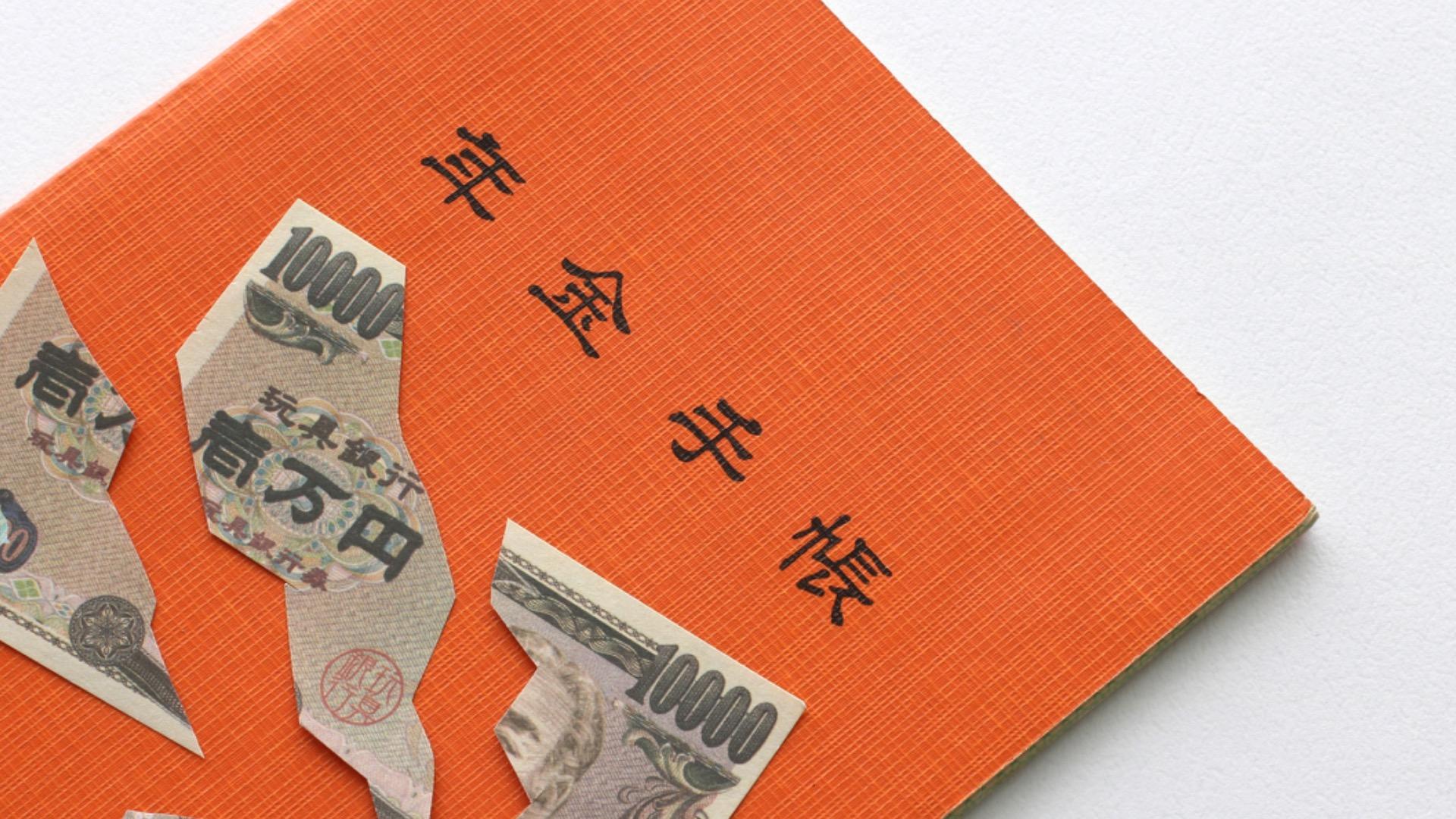
Nearly 410,000 individuals from the so-called "Ice Age" generation in Japan are facing high poverty rates, according to recent statistics. The "Ice Age" generation, those who entered the workforce during the economic downturn of the 1990s and 2000s, have found themselves in a precarious situation as they grow older due to unstable jobs in their youth. This societal issue has ignited discussions on effective retirements plans and government strategies to combat this rising crisis.
In Japan, employment and social security play a major role, especially with a rapidly aging population. The "Ice Age" generation phenomena has increased relevance today as many begin retirement. Many in Japan are concerned about the social and economic implications, calling for reform in the social security system including pensions and welfare for the elderly.
In contrast, in the US or the EU, where social security systems are more robust, support for those in retirement is stronger. However, all these regions continue to face challenges with changing demographics and handling an aging population. The balance between employability, sustenance in old age and a sustainable economy is a common challenge across regions.