
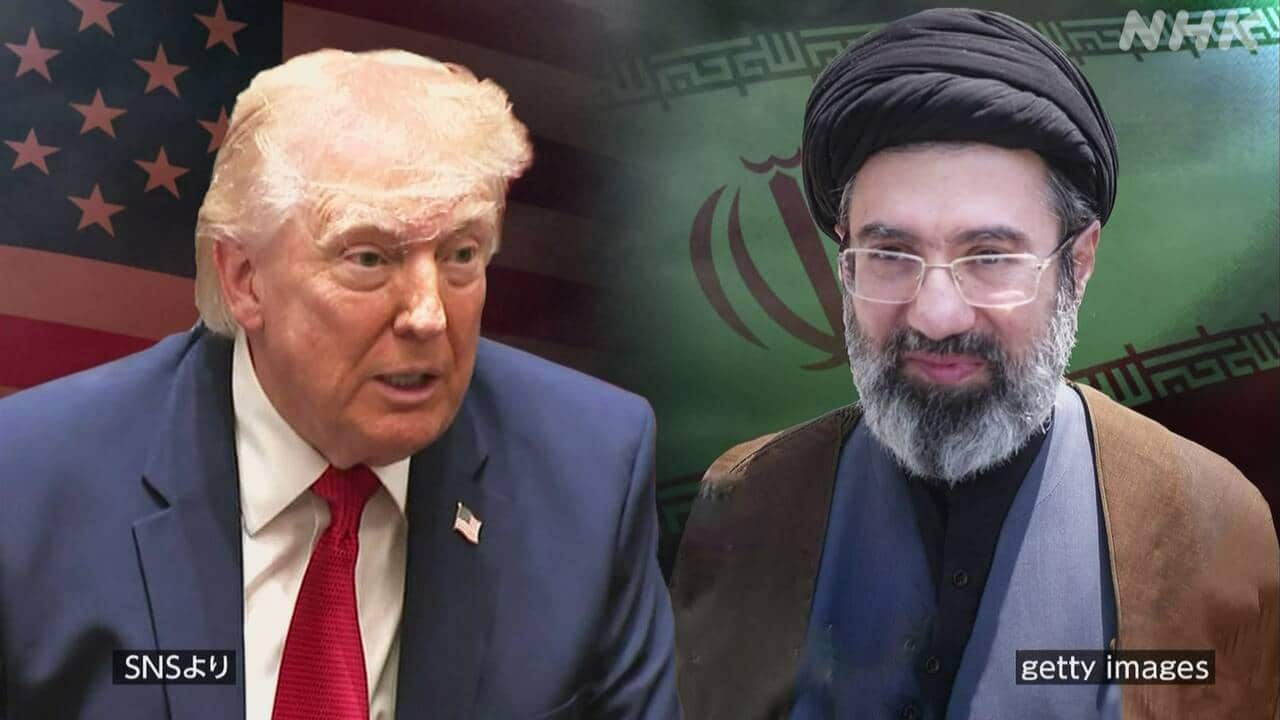
Recent negotiations between the US and Iran have hit a stumbling block due to disagreements surrounding the Strait of Hormuz. The Strait, a key maritime 'choke-point,' has become a contentious topic between the two countries due to its strategic and economic significance. The conflict is not only impacting diplomatic relationships but also potentially affecting global oil supply chains. Amidst these tensions, the timeline and the outcomes of the discussions remain uncertain.
The conflict over the Hormuz Strait has significant implications for Japan as the country relies on the region for a sizable portion of its oil imports. The Japanese public is closely monitoring the situation, hoping for a swift resolution to prevent any potential disruption in oil supplies that could impact national energy security and Japan's overall economy.
Similar to Japan, countries in the EU and the US are often concerned about possible disruptions to oil routes as it can have serious impacts on their economies. However, the US, having considerable fossil fuel resources and being part of the negotiations, plays a much more active role in shaping the outcomes, unlike Japan that mostly has to react to developments.