
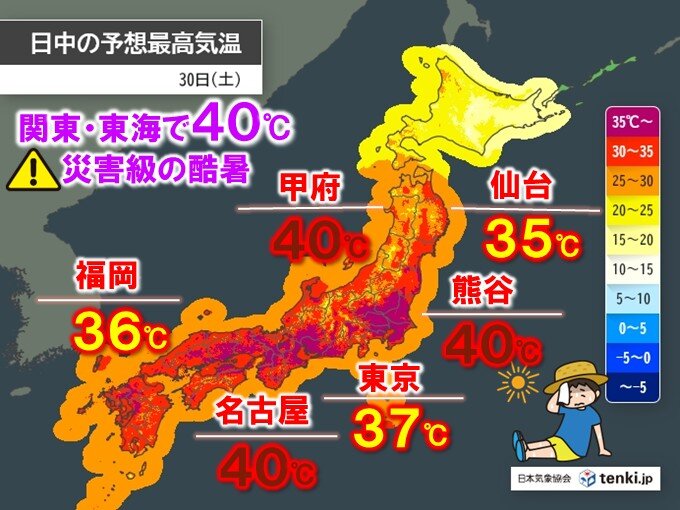
Japan's Kanto region, including Tokyo, is on alert as temperatures soar close to 30 degrees Celsius. Health officials urge citizens, particularly the elderly, children, and those working outdoors, to take precautions to avoid heatstroke. The sudden rise in temperatures comes at the early onset of summer when bodies are still acclimating to warmer weather, increasing the risk of heat-related illnesses. Public advisories have been activated, encouraging people to stay hydrated, use sun protection, and avoid unnecessary outdoor activities.
In Japan, heatwave alerts are taken quite seriously due to the country's scorching summer temperatures that can result in serious health issues such as heatstroke. There is a critical concern among the elderly population and school children, who are considered most vulnerable. Campaigns related to health awareness and emergency response to heatstroke are common and are actively supported by local and national response systems.
In the US or EU, similar heatwaves typically prompt public advisories for stay-at-home, hydration, and cool-down centers. Climate change discussions often accompany these events, warranting policy reviews on environmental standards. While the vulnerability of the elderly and children are similarly highlighted, in EU countries, a communal approach is more prominent in coping with extreme weather.