
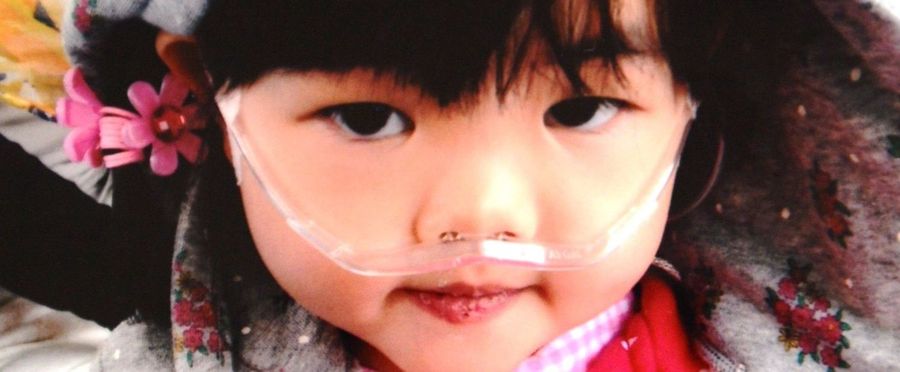
A mother enduring a stay in a hospital in Kumamoto was faced with a dire situation when the deadly earthquake hit the already stricken region. In the aftermath of the quake, her hospital was evacuated due to structural instability, resulting in her transfer to another hospital. In a twist of fate, her daughter, who was visiting her during the quake, was killed during the transfer process.
In Japan, earthquakes are frequent and large-scale quakes are a recurrent threat, making preparedness vital. This incident raises questions about the infrastructure and disaster management systems within hospitals. Furthermore, it underscores the personal tragedies that communities face in the aftermath of such disasters - themes that resonate in the collective memory of the Japanese population.
In the US or EU, although some regions do experience earthquakes, the frequency and magnitude are typically less than in Japan. Therefore, their disaster preparedness protocols, especially in health institutions, may differ in scale and urgency. Tragedies such as the one in this story, though universal in their emotional impact, would probably be less common.