
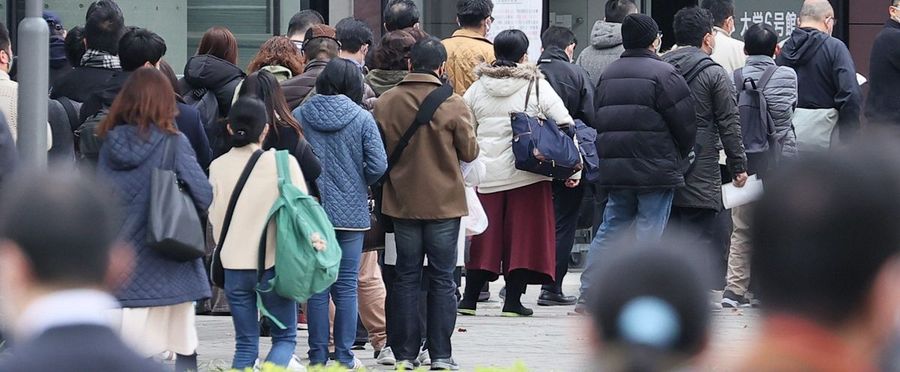
Japan's government has announced a pillar policy aimed at improving the circumstances of the 'Ice Age Generation' – those who graduated during employment recessions in the '90s and the early 2000s and struggled to find stable jobs. The supportive measures will address issues related to job security, reemployment, and social security for this group. While the specifics of the strategy have yet to be detailed, the policy signifies a significant shift in addressing this long-standing issue.
In Japan, the 'Ice Age Generation' is a significant societal concern as these individuals face difficulties in terms of employment stability, pension prospects, and overall financial security. This group has largely been left behind by traditional employment structures and social security systems. Broad public support exists for increased assistance and considerate policy-making toward this demographic.
Unlike in Japan, in the US and EU, periods of economic downfall have typically been followed by strong recovery driven by policy changes and public-private partnership strategies to stabilize the labour market. While concerns for older workers exist globally, Japan's unique societal context gives a nuanced complexity to the issue.