
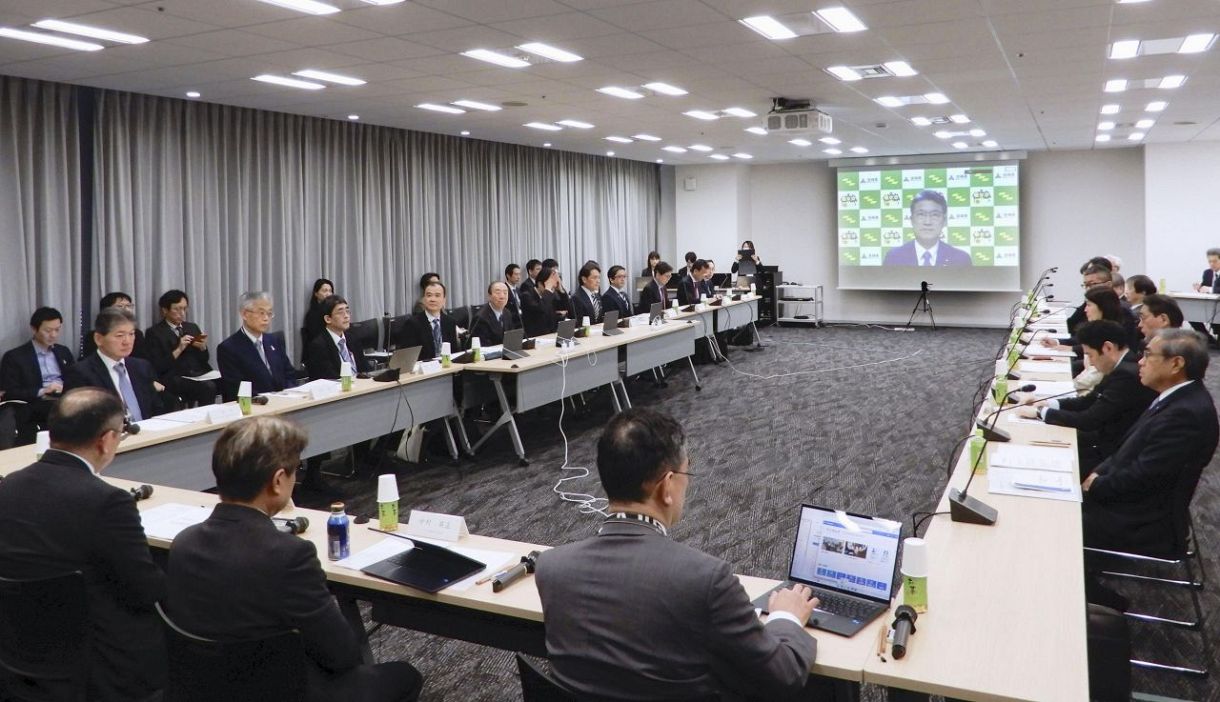
The Japanese government is embarking on designing a new system of tax deductions with attached benefits. This innovative approach aims to simultaneously stimulate the economy and distribute resources more equitably among the public. Specific details of the planned deductions and associated stipends have yet to be disclosed, eliciting active discussion among economists and policy experts.
In Japan, where public consensus plays an important role in policy decisions, this novel tax reform is likely to stir significant public interest and debate. As the socio-economic gap widens, addressing wealth disparities has become an increasingly important issue. This proposed policy, therefore, might be viewed as reflective of a broader government effort to balance economic development and societal stability.
In comparison to the United States, where tax policy discussions are highly political and often partisan, Japanese discourse tends to focus more on the societal implications of economic policies. The proposed initiative for a benefits-attached tax deduction marks a unique approach in seeking a balance between stimulating economic growth and ensuring societal equality- a balance many societies, including the EU and the US, are simultaneously grappling with.