
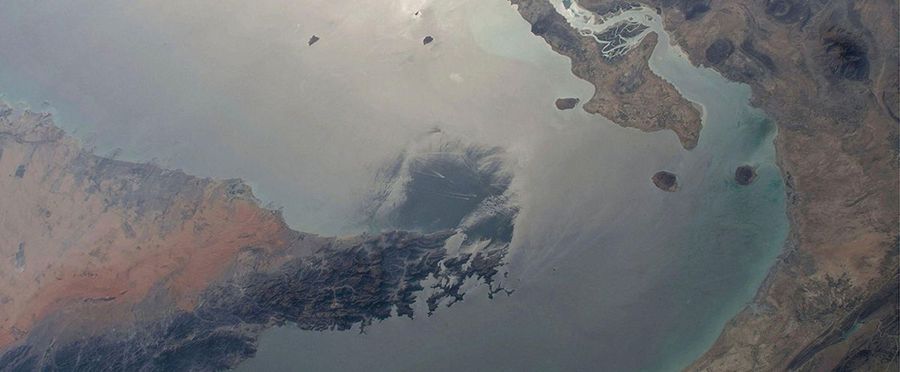
This article explores the Strait of Hormuz's value from a geological perspective, focusing on its rich mineral and oil reserves. The Strait of Hormuz, a strategically significant waterway connecting the Persian Gulf with the open seas, shelters significant geological wealth. Experts highlight these treasures, emphasizing the strait's critical importance to global trade and economies, beyond its geopolitical strategic significance.
Japanese society pays keen attention to the Strait of Hormuz due to its importance for the country's oil imports. Given Japan's scarcity of natural energy resources, it heavily relies on foreign oil, with a large percentage passing through the Strait of Hormuz. Therefore, any instability in the region could potentially impact Japan's economy and energy supply.
Similar to Japan, countries in the EU and US are concerned about the Strait of Hormuz, as it is a critical route for global oil trade. Any conflict or geopolitical instability in the area could have far-reaching consequences, triggering spikes in oil prices and disruptions in energy supply. Therefore, like Japan, they are continuously monitoring the situation and have a vested interest in the strait's stability.