
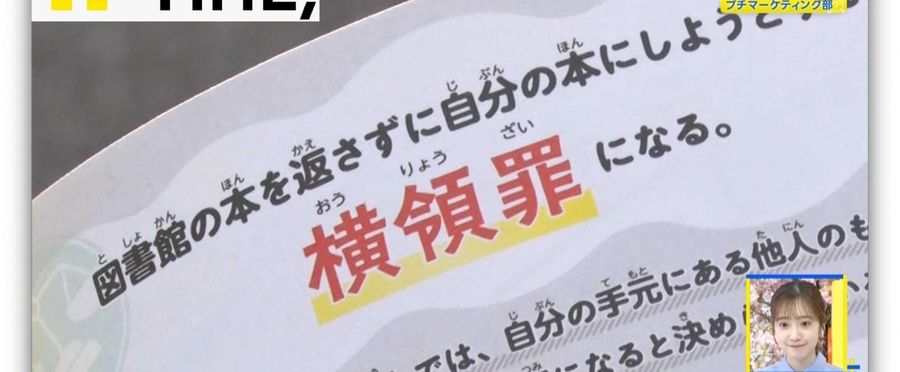
With the rising popularity of children's picture books depicting common experiences in Japanese elementary schools, a question has emerged regarding their legality. The debate stems from the concern about these books possibly violating privacy norms by showcasing real-life scenarios, which some consider to be in the grey area of the law. The news covers the voices from both sides - those who promote these books as cultural manifestation and others who see potential legal infringement.
In Japan, people have a deep respect for personal privacy, which might explain why these elementary school picture books could be seen as controversial. However, it is also worth noting how much value Japanese society places on cultural expression. These books are trending because they resonate with people's experiences, capturing the essence of the Japanese educational landscape.
In the US or EU, sharing real-life experiences, even in book format, is generally seen as an acceptable cultural expression. Legal concerns would typically arise only if real names were used without consent or material presented in a defamatory manner. The ongoing debate in Japan demonstrates the balancing act between cultural expression and privacy protection.