
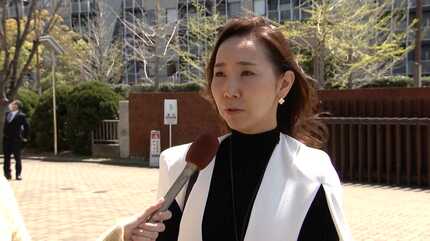
The term, "Middle School Transition" or "中1の壁," pertains to the significant changes children in Japan typically experience as they transition from elementary to middle school (grade 7 or "中1"). These changes can be in terms of academic rigor, social dynamics, or psychological aspects. The news article investigates these transitions and provides insights for parents and educators on how to support children during this phase. While the timing varies, it’s a generational concern capturing nationwide attention every year.
In Japan, the transition from elementary to middle school marks a significant rite of passage in a child's life. It often entails a shift in educational expectations and heightened social pressures. The concept of "中1の壁" is a well-recognized issue in Japanese society, where education is highly valued and intensely competitive. Parents, teachers, and policymakers show great interest in understanding the best ways to support students through this transition.
Similar to the U.S. or EU, the transition from one school system to another can be challenging for students. However, Japan's strict hierarchy and uniform education system impose unique pressures on students. In Western countries, there's an increasing trend towards easing this transition through phased integration programs, peer mentors, or transitional counseling. Such systemic supports are less common in Japan, and more significance is placed on the child and their family to navigate this transition privately.