
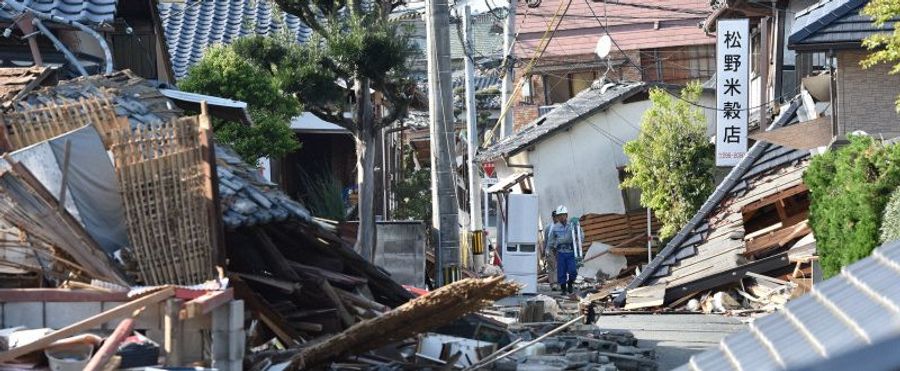
In response to the increasing spread of fake news related to disasters, 40% of Japanese local governmental bodies are advocating for a legal framework to regulate such misinformation. Their call comes amid concerns that disaster-related misinformation can seriously hamper mitigating efforts and create unnecessary panic among citizens. These municipalities underline the importance of swift and accurate communication during emergencies to ensure public safety and effective disaster management.
Disaster preparedness is highly prioritized by the Japanese society given the country's frequent experiences with natural calamities such as earthquakes and typhoons. Amid this, the role of fake news, particularly during disasters, is keenly debated. The consensus on imposing legal restrictions reflects increasing public concern over the impact of this problem on Japan's comprehensive approach to disaster management.
In the US or EU, managing fake news is also a challenging issue, and legal methods have been controversial due to freedom of speech concerns. However, in situations of public emergencies such as health or environmental disasters, both regions tend to prioritize the verification and swift distribution of accurate information, similar to Japan. Differences in legal strategies exist depending upon the nature of misinformation and its impact on public safety.