
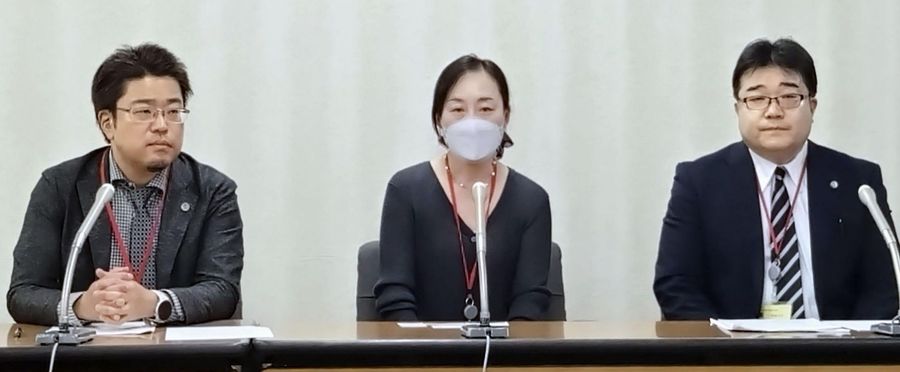
In Japan, the death of a municipal employee has been officially recognized as the result of overwork, known locally as "Karoshi". The victim had been regularly logging more than 120 hours of overtime each month. This alarming case brings to the fore the persistent issue of excessive overtime that many employees in Japan continue to face, raising serious concerns about work-life balance and labor laws enforcement in the country.
In Japan, overwork and its devastating consequences is a serious societal issue. It has a term specifically coined for it: "Karoshi", literally translating to "death by overwork." Instances like this municipal worker's death spark intense debate about labor laws, workers' rights, and societal pressures to prioritize work over personal health. Enforcement of labor restrictions and cultural shifts towards valuing work-life balance are points of focus in Japan's current societal conversations.
Compared to the US or the EU, Japan's culture traditionally places a significant emphasis on commitment to work, often leading to instances of extreme overtime. While labor laws exist in Japan as they do in the US or EU, cultural norms and expectations about dedication to one's job can lead to their flexible interpretation or even overlooking.