
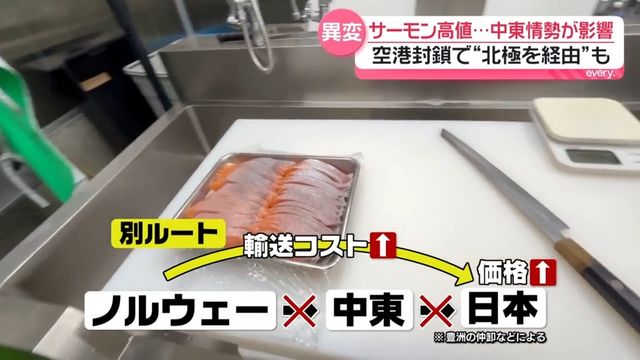
The price of salmon in Japan has been skyrocketing due to increased transportation costs. The significant surge, which analysts associate primarily with rising global fuel prices, affects importers, restaurants, and consumers alike. The phenomenon underscores the vulnerability of the Japanese seafood industry to inflationary pressures and global economic factors.
In Japan, seafood, including salmon, forms an integral part of the national cuisine. Any price fluctuation in the seafood industry, especially salmon, has a considerable impact on the Japanese population. Also, it puts pressure on the restaurant industry that depends heavily on seafood. The hyperinflation in transportation costs poses an imminent threat to the Japanese economy and consumer well-being.
In the United States or European Union, similar issues would also bring about a chain reaction in the respective economies. For instance, increased transportation costs might lead to higher prices in consumer goods, much like the situation in Japan. However, the EU or the US may have a stronger ability to absorb these shocks due to their more diversified food resources.