
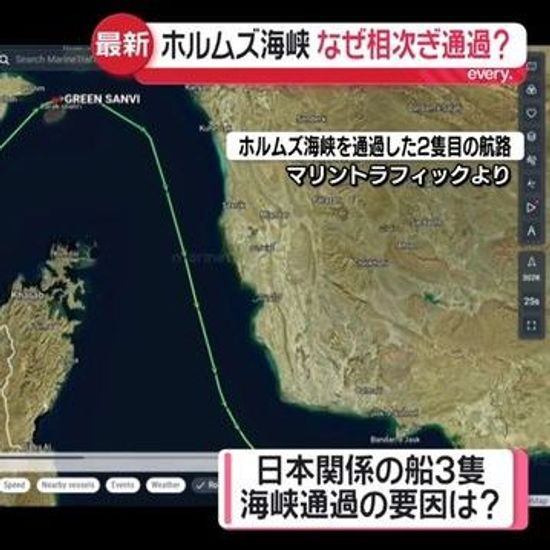
There has been an unexpected increase in naval traffic through the strategic Strait of Hormuz. This article explores various theories trying to determine the reason behind this unusual maritime activity and its implications, keeping in view that nearly a third of the world's seaborne crude oil passes through this strait. Japan's interests in the region, primarily related to energy security, are also considered in this analysis.
Japan is heavily dependent on petroleum supplies from the Middle East, making the safety and stability in the Strait of Hormuz vastly important to Japan's own energy security. Any significant disturbance to the shipping routes can bring immense economic repercussions. The Japanese public is particularly sensitive to such developments due to the potential impact on their daily lives, such as energy prices.
Similar to Japan, the United States and European Union also recognize the strategic importance of the Strait of Hormuz as it is a vital route for global oil transportation. However, while Japan maintains a more neutral stance on Middle Eastern affairs, the US and EU may be more involved due to their geopolitical interests.