
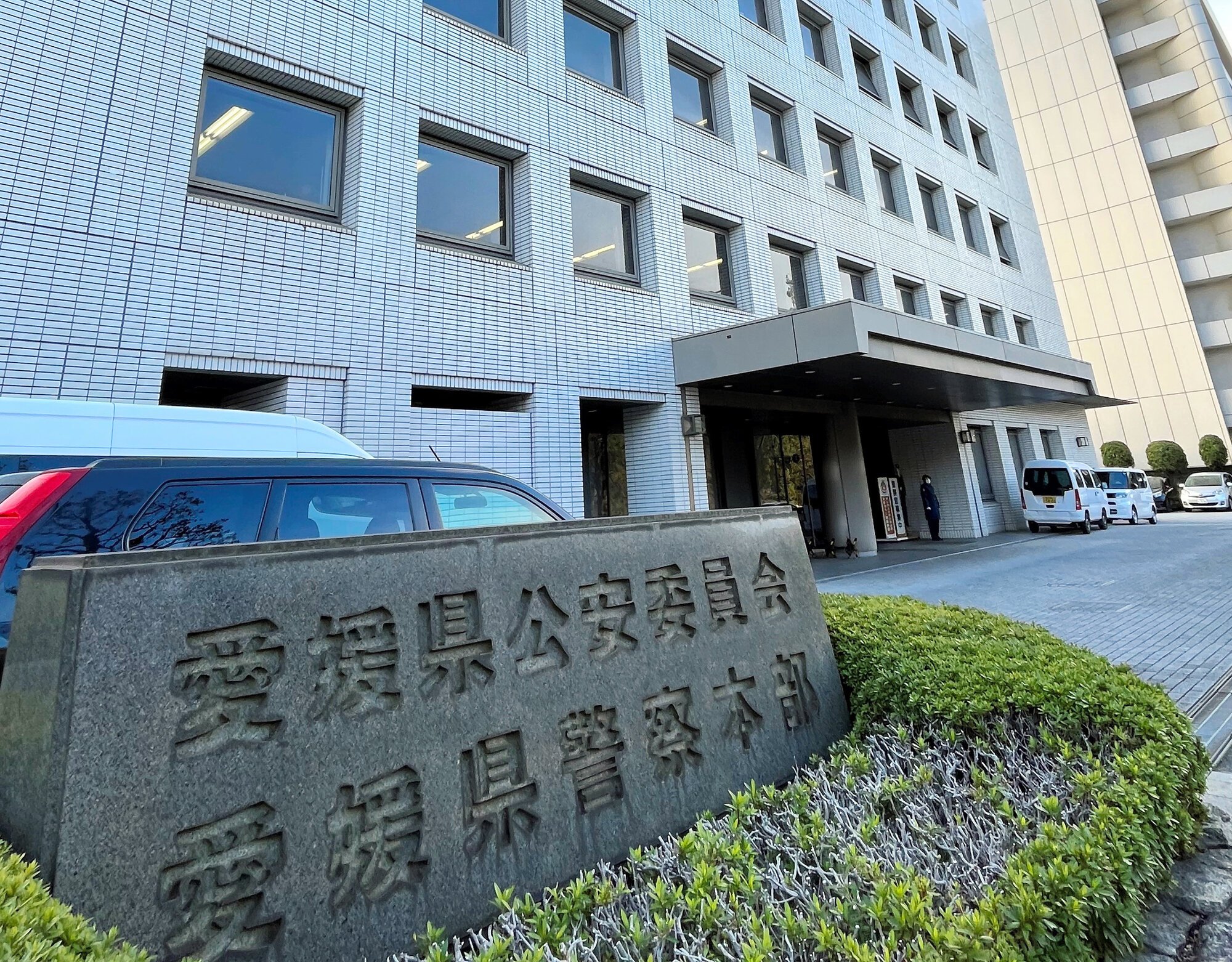
An 80-year-old Japanese woman has become a victim of an elaborate fraud scheme, losing 1.2 billion yen (approx. $10.7 million). The crime, which seems to be rooted in 'special fraud,' a term used in Japan for confidence scams, typically targets the elderly and vulnerable. The when and where details remain undisclosed to protect the victim, but the incident highlights the deep-seated issue with fraud in Japan, raising concerns on how to fortify elderly protection.
These types of scams are a significant societal issue in Japan, where the society is rapidly aging. There is substantial public attention on the need to protect elderly citizens from such scams, putting pressures on the legal system to bring culprits to justice and enact stronger preventive measures. Such crimes also conflict with the deep-rooted values of trust and respect for the elderly, causing emotional uproar among the public.
Like Japan, countries within the US and EU also grapple with scams targeting the elderly. However, these countries tend to have more comprehensive financial protection frameworks and stringent tracking systems in place. Elder financial abuse awareness and prevention is more embedded in these societies' dialogue, partially due to their already widespread use of digital transactions.